Series
Film

Jean-Luc Godard: Unmade and Abandoned

Events In This Series

  • Film

    Une femme coquette,
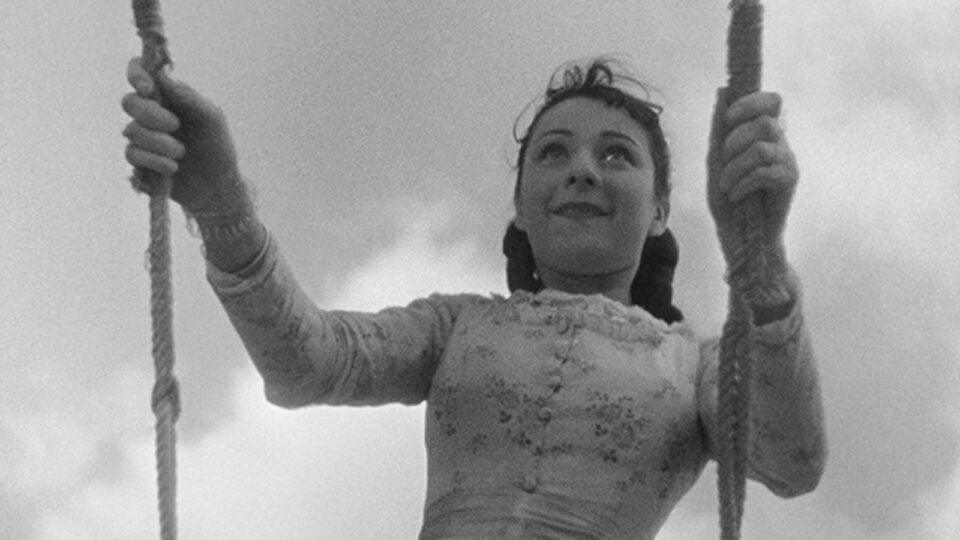
    A Day in the Country
    with The Crimson Curtain

    Literary Adaptation I: Guy de Maupassant

    Tuesday, September 15, 2026

    4:00 PM
    7:00 PM

    Happy Hour, 5:30–7pm

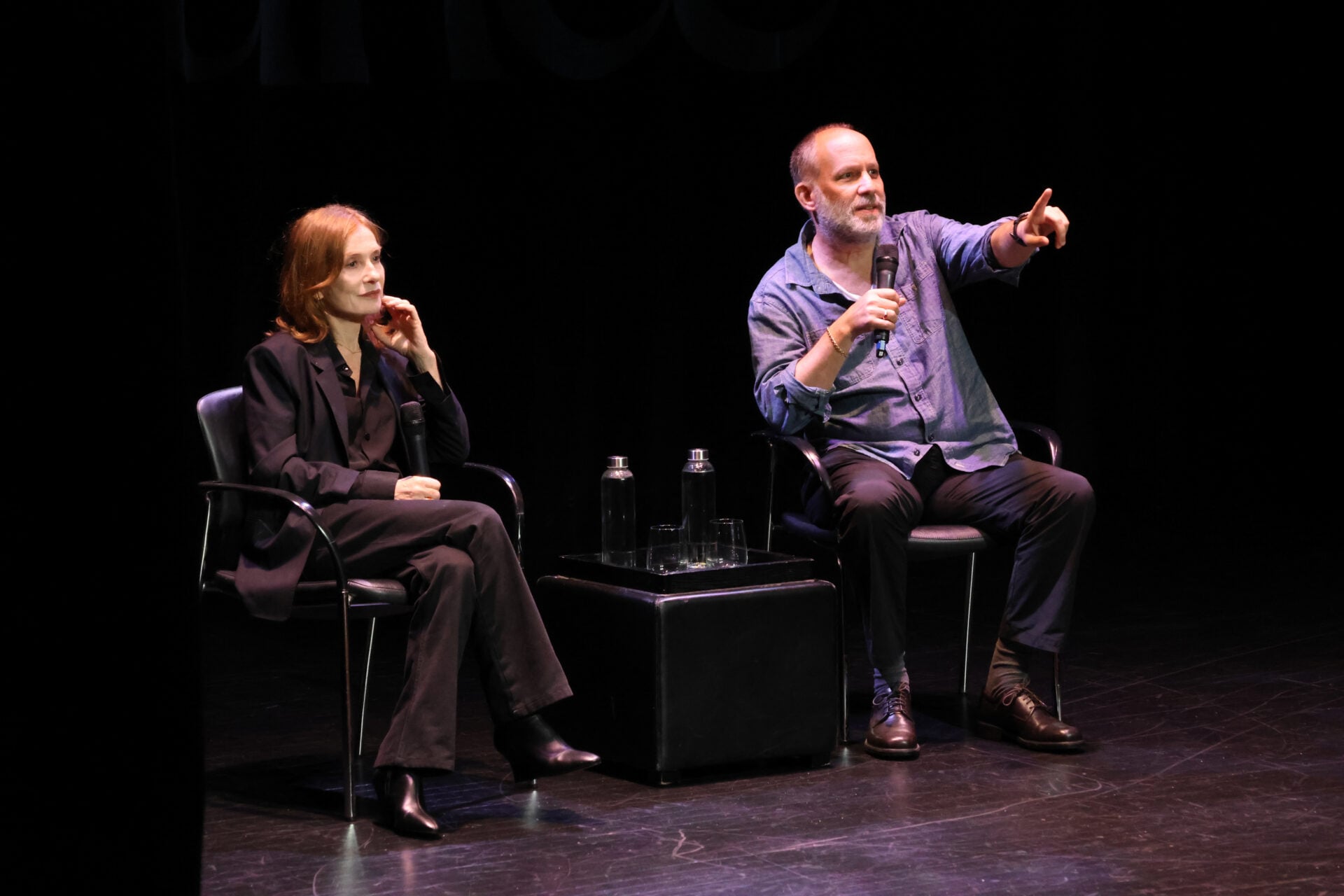
    7pm screening introduced and followed by a conversation with Michael Witt, professor and author

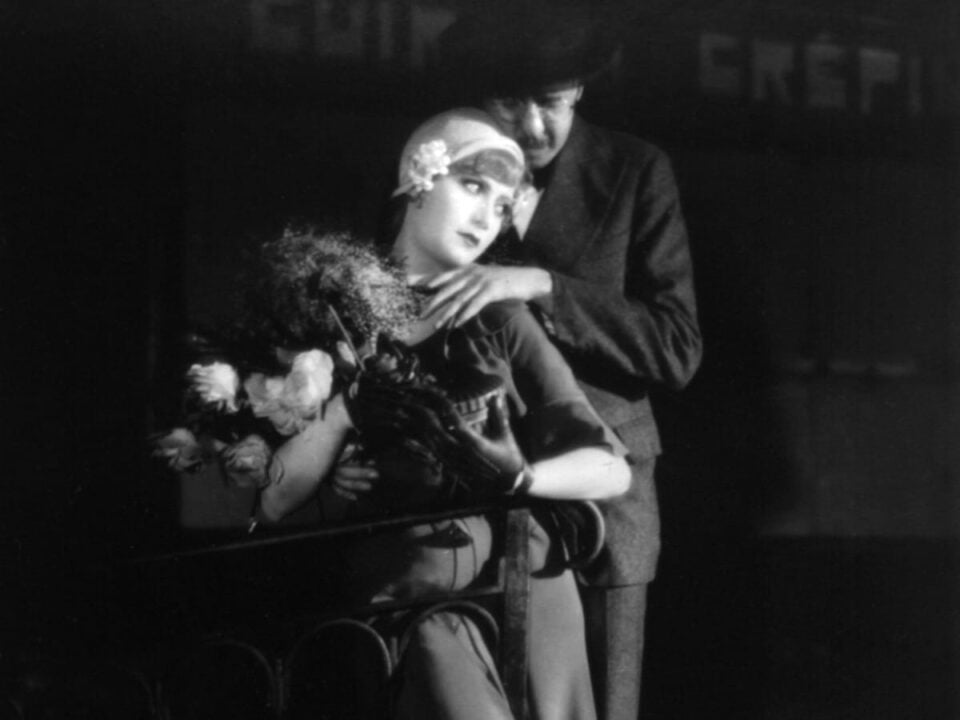
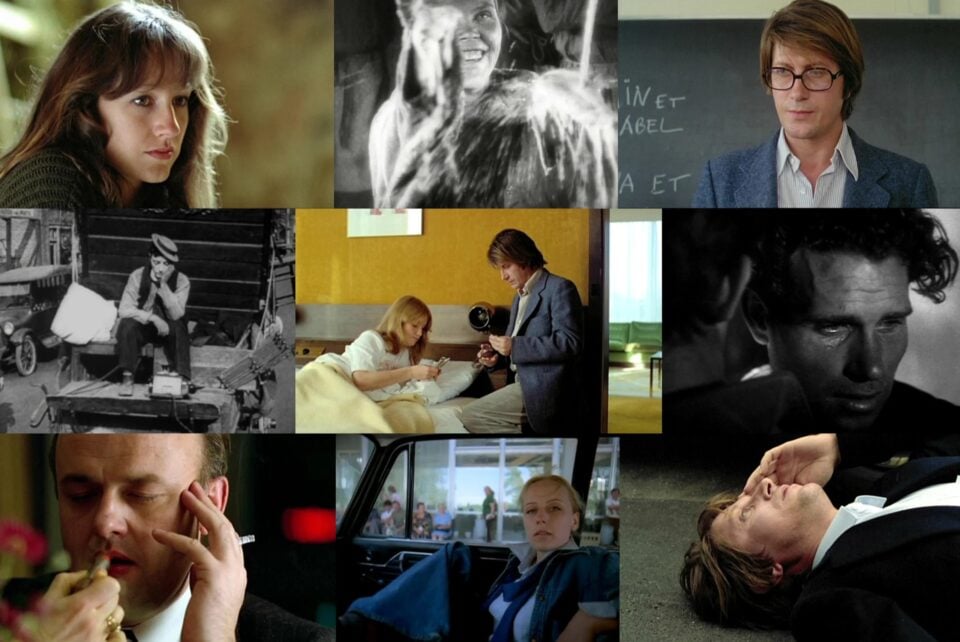
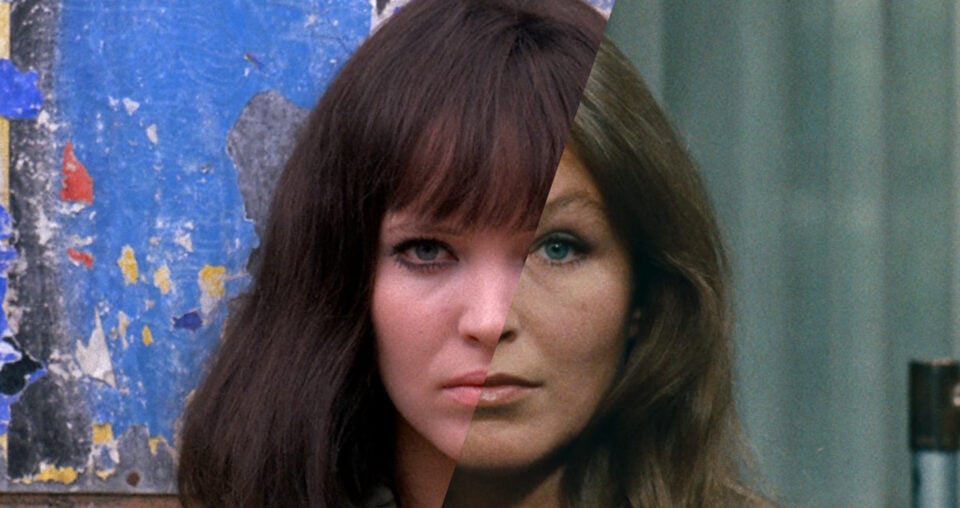
    Godard’s earliest short 16mm fiction film Une femme coquette (d’après Maupassant) from 1956, based on Maupassant’s ‘Le Signe’ (‘The Signal’), was just the first of his Maupassant inspired projects, both made and unmade. In adapting Maupassant, Godard was following in the footsteps of two filmmakers whom he greatly admired: Jean Renoir and Max Ophuls, who had drawn on the author for Partie de campagne (A Day in the Country) and Le Plaisir (1952), respectively. Godard toyed with the idea of remaking Une femme coquette with Anna Karina in 1963. The following year, producers Anatole Dauman and Martin Low proposed that he adapt an erotic short story by Maupassant or the Marquis de Sade, as part of a diptych release in the US with Astruc’s The Crimson Curtain. Dauman acquired the rights to ‘Le Signe’ and Godard envisaged calling his new adaptation Avec le sourire (With a Smile). Although not realized, the project metamorphosed over time into Masculin féminin.
  • Film

    The Wild Palms: Made in U.S.A & 2 or 3 Things I Know About Her

    A Special 35mm Performance

    Friday, September 18, 2026

    6:30 PM

    Introduced by Michael Witt, professor and author

    This screening puts into practice a radical Godardian proposition: a 35mm projection of both Made in USA and Two or Three Things I Know About Her as a single work, their reels and narratives intertwined. One of Godard’s favorite modern authors was William Faulkner, whose work is a recurrent touchstone in his critical writings and films. Faulkner’s novel The Wild Palms famously comprises two distinct alternating narrative strands that illuminate each other. Godard proposed projecting his two very different, then most recent features, which he had shot back-to-back, as an integrated work. Presented here for the first time in the US.

  • Film

    Rapt with Liberté et Patrie

    Literary Adaptation II: Charles-Ferdinand Ramuz

    Tuesday, September 22, 2026

    4:00 PM
    7:00 PM

    7pm screening introduced and followed by a conversation with Michael Witt, professor and author

    Swiss author Charles-Ferdinand Ramuz’s writings were central to Godard’s introduction to literature as a child and remained a touchstone for him throughout his career. Ramuz’s books, often set in the Swiss canton of Vaud, have also provided source material for numerous film adaptations, including one of Swiss cinema’s landmark early sound films, the dark Alpine revenge melodrama Rapt. Of Godard’s numerous proposed Ramuz adaptations, he only completed the autobiographical video essay Liberté et patrie, made in collaboration with Anne-Marie Miéville. Inspired by Ramuz’s 1910 novel Aimé Pache, peintre vaudois (‘Aimé Pache, Vaudois painter’), Miéville and Godard appropriated Pache as a means of looking back on their own lives and trajectories.

  • Film

    La Chienne

    The Remake

    Tuesday, September 29, 2026

    4:00 PM
    7:00 PM

    The principle of ‘remaking’ was central to Godard’s work. As he put it in relation to Breathless: ‘What I wanted was to take a conventional story and remake, but differently, everything the cinema had done.’ It is a concept he revisited almost six decades later in The Image Book, the opening section of which is titled simply ‘Remakes’. In the early 2000s, Godard expressed a desire to make a contemporary version of Jean Renoir’s La Chienne (1931), planning to cast Maurice Pialat in the role played by Michel Simon in the earlier adaptation.

  • Film

    The Silence of the Sea with Hail, Sarajevo

    History

    Tuesday, October 6, 2026

    4:00 PM
    7:00 PM

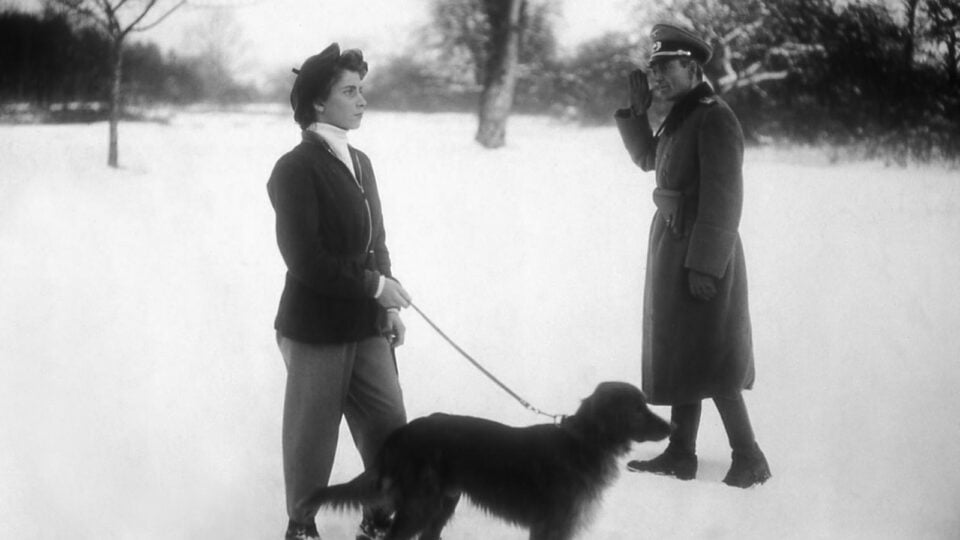
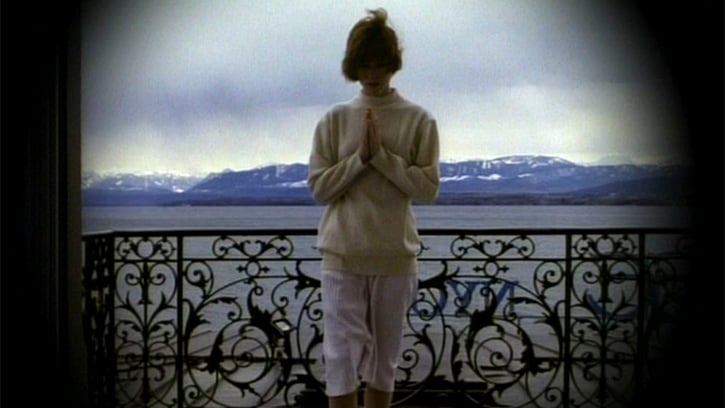
    In the late 1990s and 2000s, Godard had a series of unrealized projects with Claude Lanzmann, Bernard-Henri Lévy and Marcel Ophuls relating to the Holocaust, Jewishness and Palestine–Israel. He also had several related solo ventures, including a contemporary version of Vercors’ 1942 World War II novel Le Silence de la mer (The Silence of the Sea), which Jean-Pierre Melville had adapted as his first feature. In Godard’s planned film, to be called Le Silence de la terre (The Silence of the Earth), the action was to be transposed from occupied France to occupied Palestine. Although he abandoned this project, it informed his luminous 2004 Sarajevo-set feature Notre musique (Our Music). This program also includes the stunning short film that Godard made in 1993 in protest at the refusal of European governments to take action over the siege of Sarajevo, Je vous salue, Sarajevo (Hail Sarajevo, 1993).

  • Film

    The Audiovisual Script: Passion and Zoetrope

    Friday, October 9, 2026

    6:30 PM

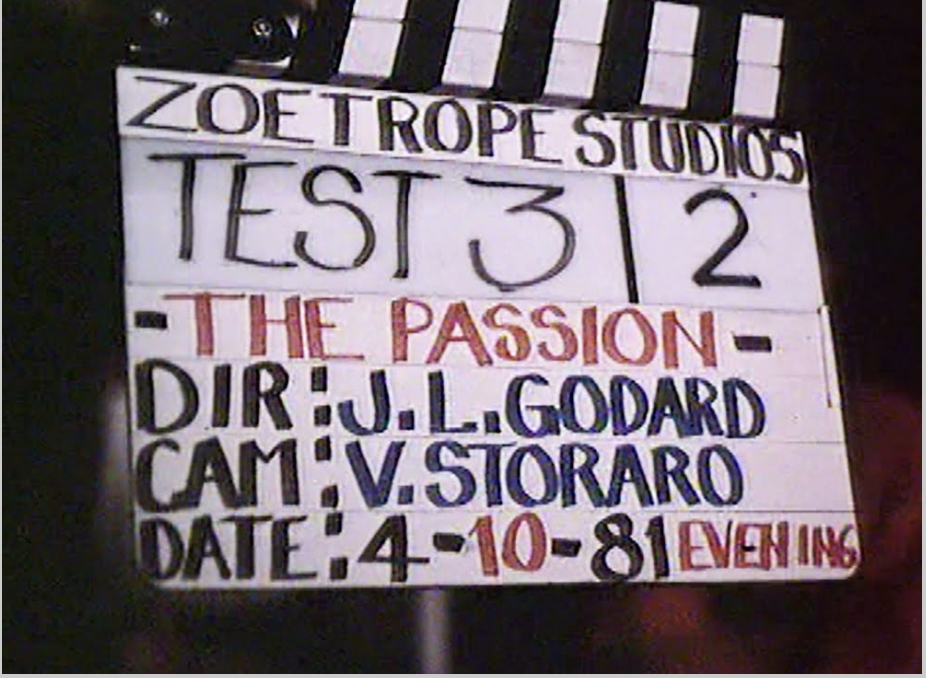
    This special screening explores Jean-Luc Godard’s groundbreaking approach to filmmaking through his innovative ‘audiovisual scripts’ – experimental video notebooks that replace the traditional written screenplay. Focusing on his acclaimed film Passion, the program spans work from 1981 to 2006, bringing together rare test footage, preparatory video scripts, the remarkable video essay he made afterwards, and the short film he eventually made from the test footage. This constellation of material offers a unique insight into how Godard developed ideas through audiovisual collages of image, text and sound, blending cinema, painting, and experimentation.

  • Film

    The Shameless Old Lady and La Chinoise

    Theater

    Tuesday, October 13, 2026

    4:00 PM
    6:15 PM
    8:30 PM

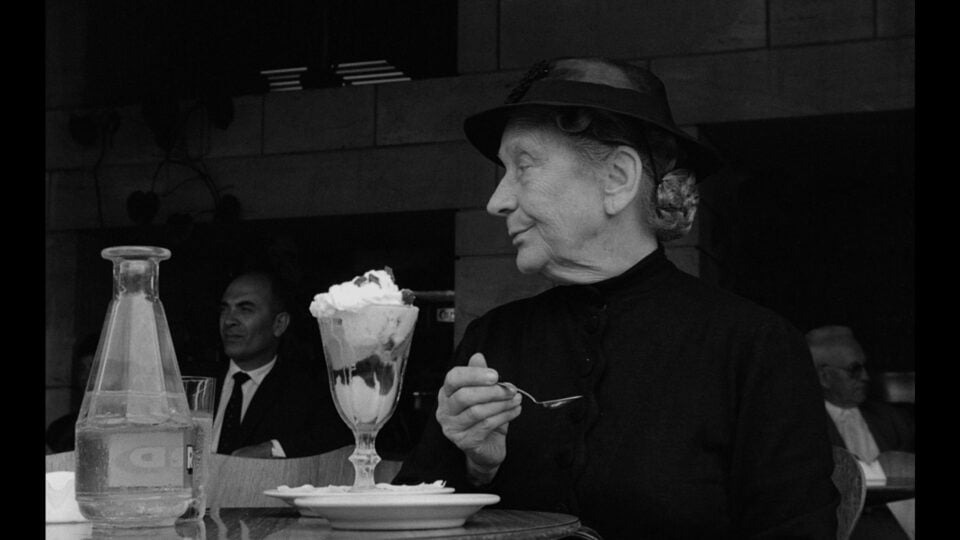
    Contrary to what one might conclude based on how few plays Godard adapted as films, he was deeply interested in the theater and had numerous unrealized theatrical projects over his career. René Allio, whom Godard interviewed for Cahiers, ventured into filmmaking from theater, and his first feature La Vieille dame indigne (The Shameless Old Lady) is a beautifully observed, gently subversive adaptation of a Brecht short story, featuring Sylvie (real name Louise Pauline Mainguené) as a widow determined to enjoy her remaining years to the full. Godard’s wide-ranging exploration of theater in the 1960s culminated in La Chinoise (1967), a film that exemplifies his desire in this period to combine and blend theatrical and cinematic forms. ‘One should make theater in the cinema’, as he put it, ‘mix things up’.

  • Film

    Sauve la vie (qui peut): A Reconstruction

    Thursday, October 15, 2026

    6:30 PM

    A digital reconstruction by Michael Witt of a remarkable montage film created by Godard at the 1981 Rotterdam Film Festival from his film Sauve qui peut (la vie) and reels from four other films: Old and New (aka The General Line) by Sergei M. Eisenstein and Grigori Alexandrov (1929), Cops by Edward F. Cline and Buster Keaton (1922), La Terra Trema by Luchino Visconti (1948), and Man of Marble by Andrzej Wajda (1977). This montage film, which Godard titled Sauve la vie (qui peut), was screened just once and seen by only a handful of people. It constituted an extension of his wide-ranging experimentation with the juxtaposition of film reels during his exploratory lectures on cinema history in Montreal and Rotterdam in 1978 and 1980-1981, respectively, and anticipated his later videographic montage practice, which would culminate in Histoire(s) du cinéma.

Programmed by Michael Witt, professor and author. This series was previously presented at Institute of Contemporary Arts (ICA), London in a different form. Text by Michael Witt.

{acf_additional_info_event_event_expanded_info_heading}

{acf_additional_info_event_event_expanded_intro}

Latest from Le Blog

View All