Liberté et Patrie
Freedom and Fatherland
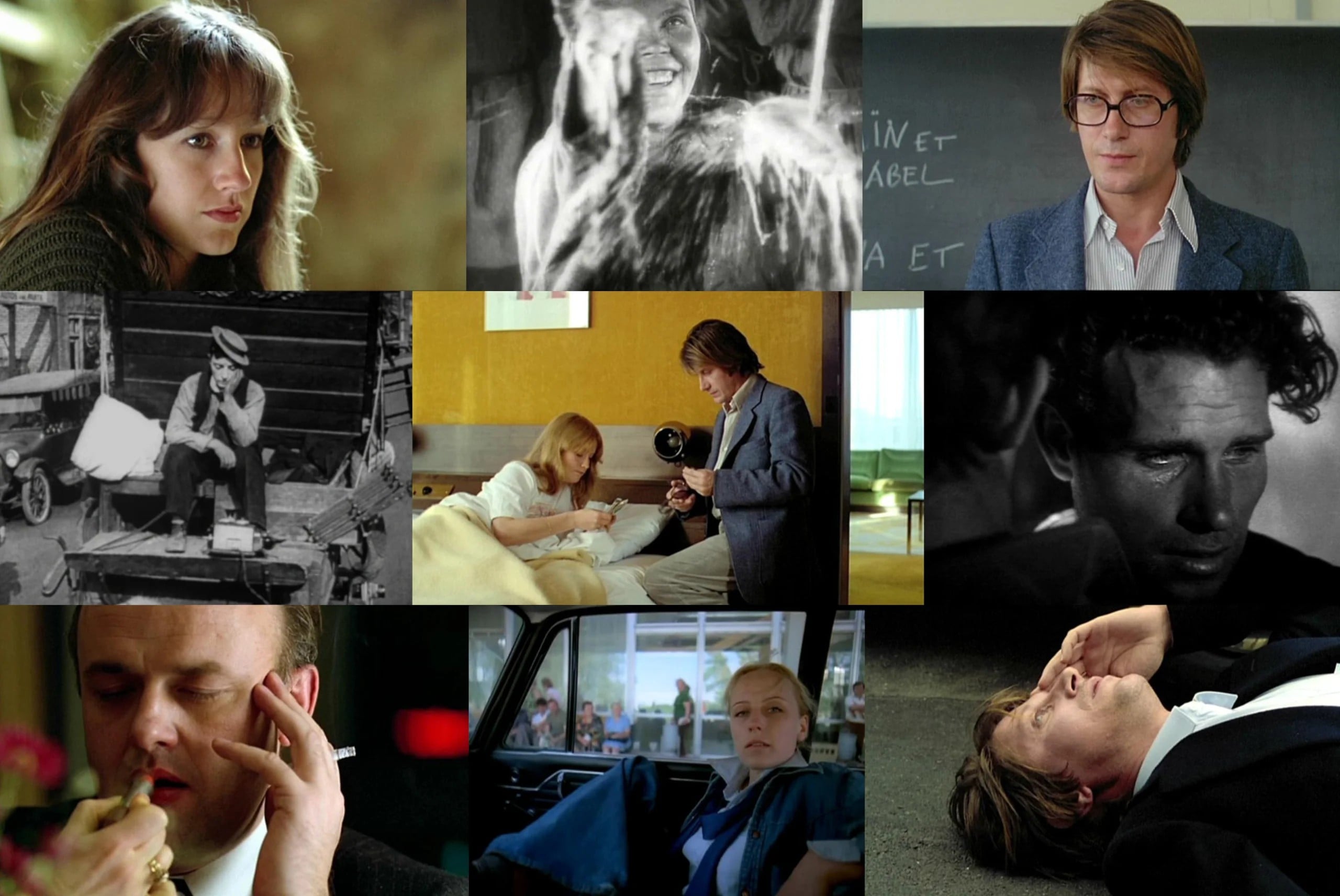
Dir. Jean-Luc Godard, Anne-Marie Miéville, 2002, 22 min, DCP
with
Rapt
The Kidnapping
Dir. Dimitri Kirsanoff, 1934, 83 min, DCP
Restored in 2025 by Cinémathèque suisse at its inhouse laboratory, sound restoration by L’Immagine Ritrovata and photochemical preservation by Haghefilm, from the original image and sound negatives, a dupe negative, and a 35mm original print.
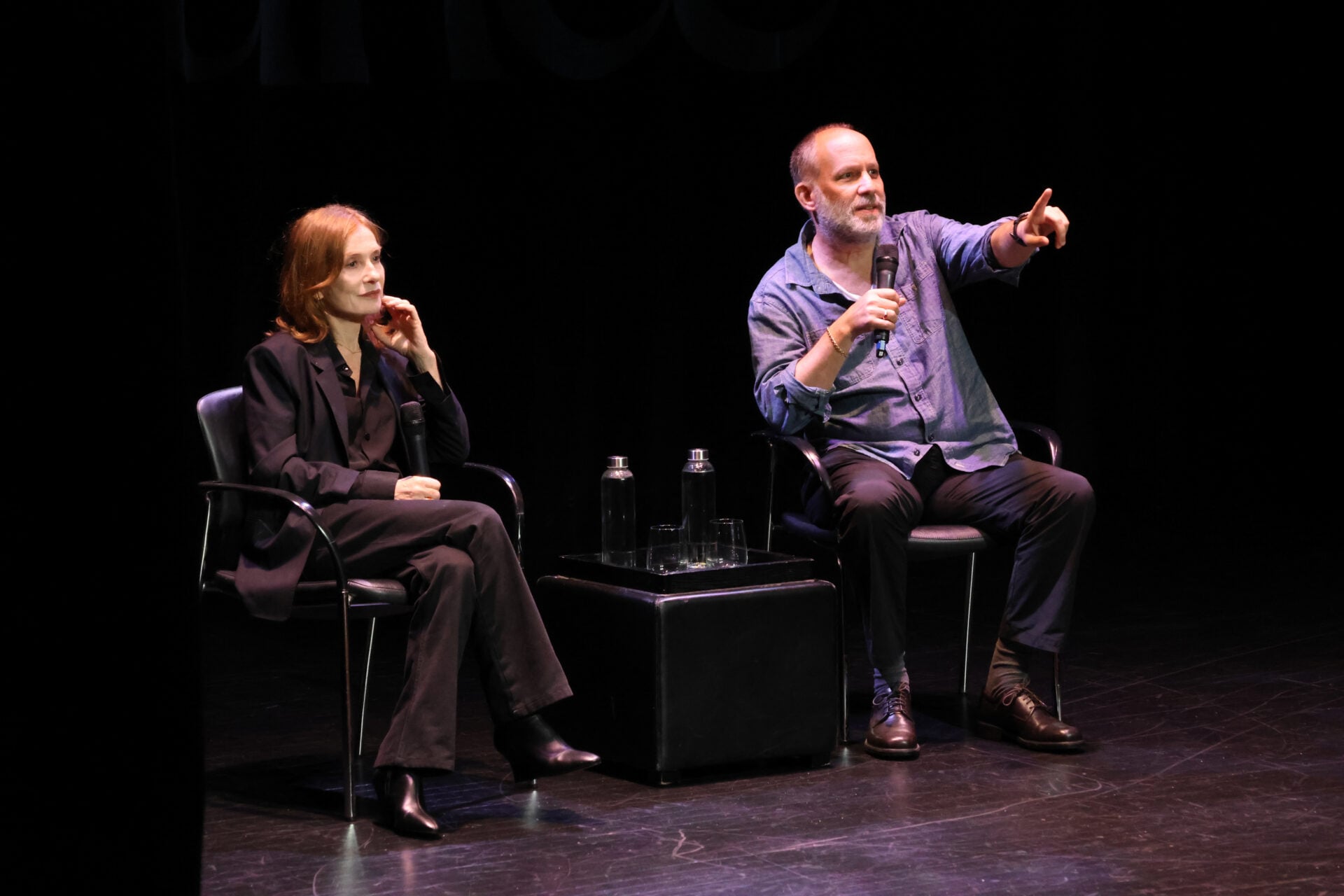
7pm screening introduced and followed by a conversation with Michael Witt, professor and author
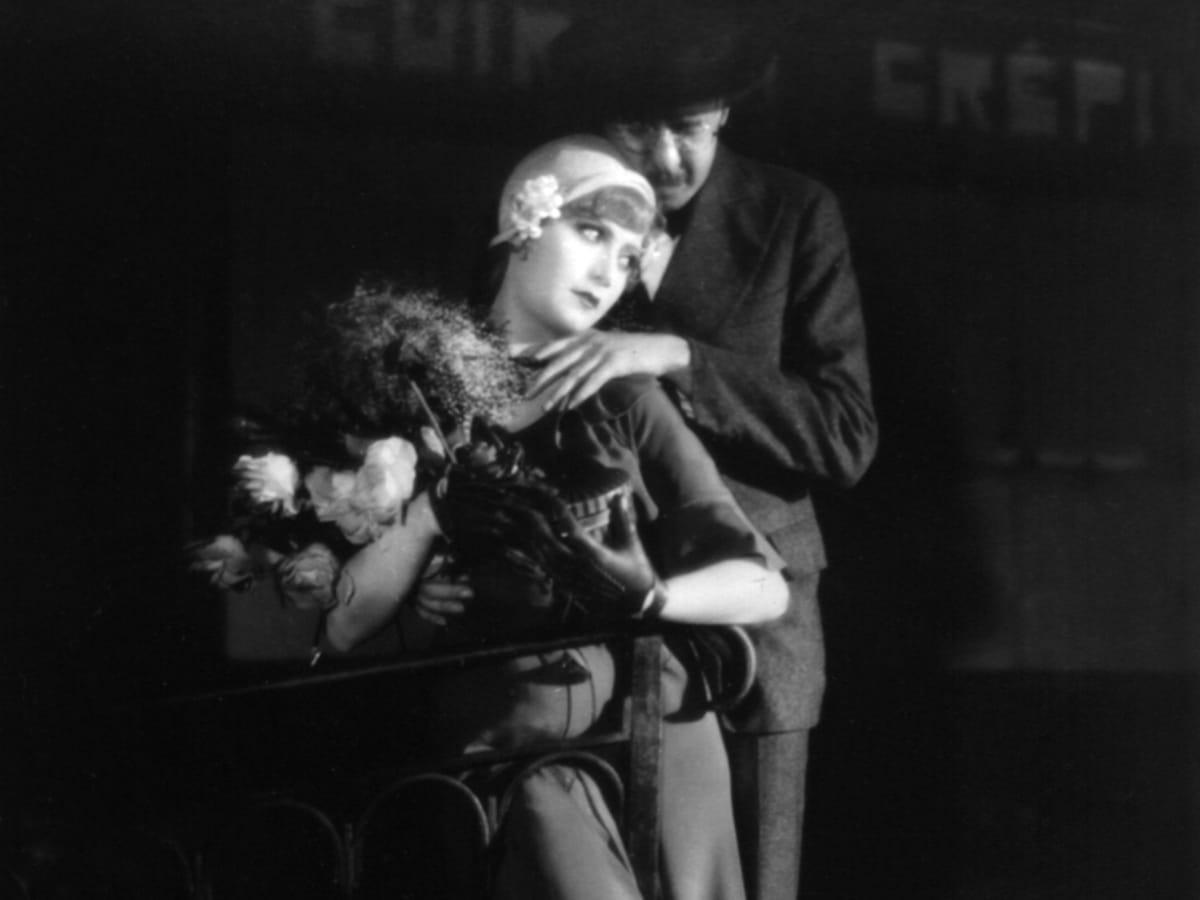
Swiss author Charles-Ferdinand Ramuz’ writings were a touchstone for Godard throughout his career, and his books have provided source material for numerous film adaptations, including one of Swiss cinema’s landmark early sound films, the dark Alpine revenge melodrama Rapt.
Ramuz’s painterly prose, which is rooted in the everyday language of the inhabitants of the Swiss canton of Vaud, was central to Godard’s introduction to literature as a child: he and his family used to read Ramuz’s stories out loud together. It is therefore not surprising that Ramuz would be a recurrent reference in his early film criticism and that some of his earliest scripts were based on books by Ramuz, including Les Signes parmi nous (‘The signs among us’, 1919).
Although Godard did not make any of his planned early Ramuz adaptations, Les Signes parmi nous remained a key reference for him and he returned to it repeatedly over the years. Set towards the end of World War I, it recounts the activities of a peddler of religious pamphlets, Caille, who devotes his time to pointing out signs of the impending apocalypse to anyone willing to listen. While working on Histoire(s) du cinéma in the late 1980s, Godard drew a parallel between Caille and cinema on the basis that both charted traces of impending turbulence and change, and all they got in return was ridicule and mistreatment. In 1990 he developed this idea into a quirky film project titled Les Signes parmi nous (fable). Although he didn’t make it, aspects of this project were absorbed into Histoire(s) du cinéma, whose final chapter is titled Les Signes parmi nous and includes a lengthy sequence devoted to his equation of cinema with Caille.
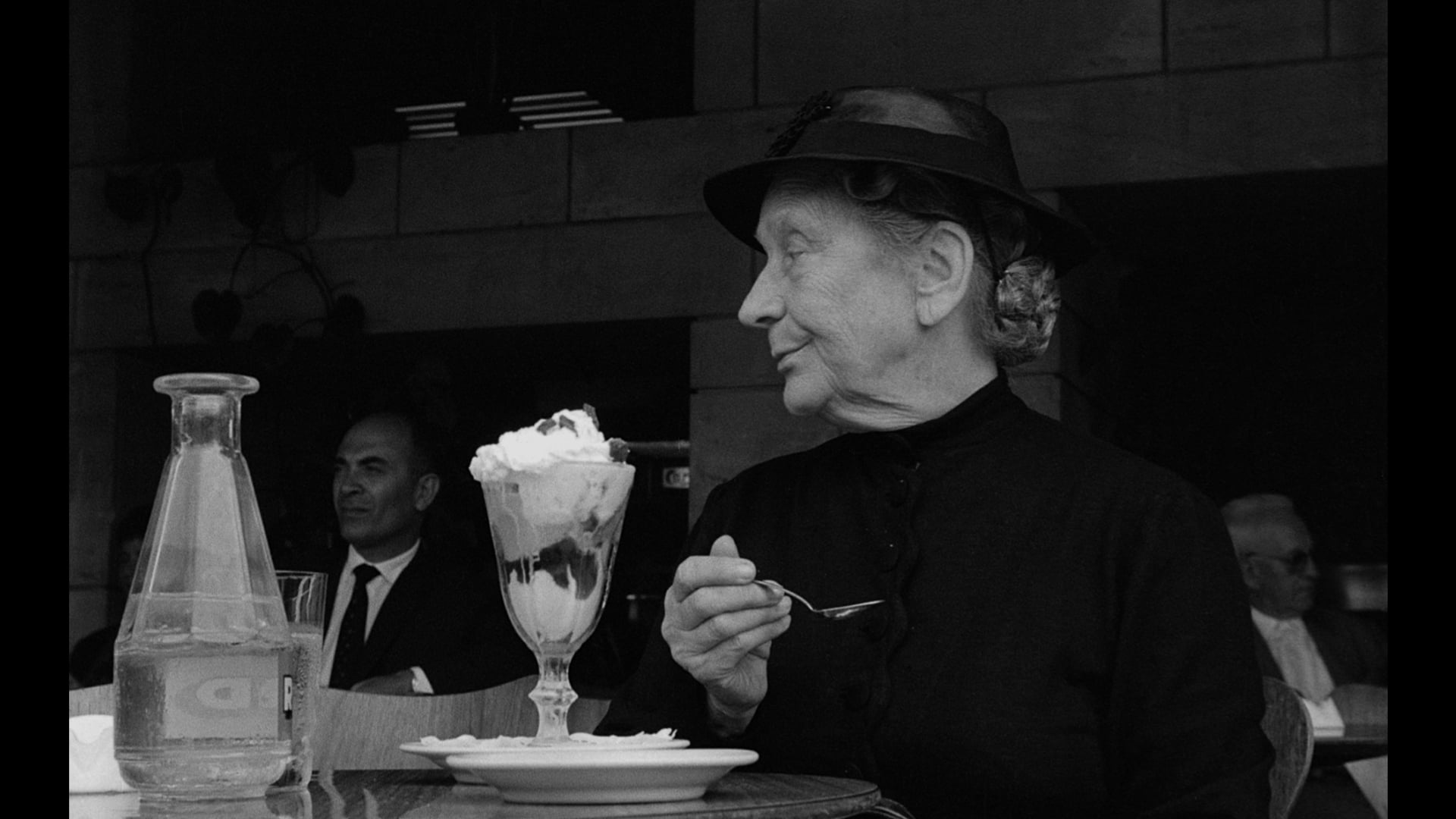
Of Godard’s numerous proposed Ramuz adaptations, the only one he completed was an autobiographical video essay made in collaboration with Anne-Marie Miéville, Liberté et patrie. This was inspired by Ramuz’s 1910 novel Aimé Pache, peintre vaudois (‘Aimé Pache, Vaudois painter’) about a fictional painter, Aimé Pache, through whom the Swiss author reflected on his personal and artistic journey. Miéville and Godard in turn appropriated Ramuz/Pache as a means of looking back on their own lives and trajectories. —Michael Witt, Series Curator