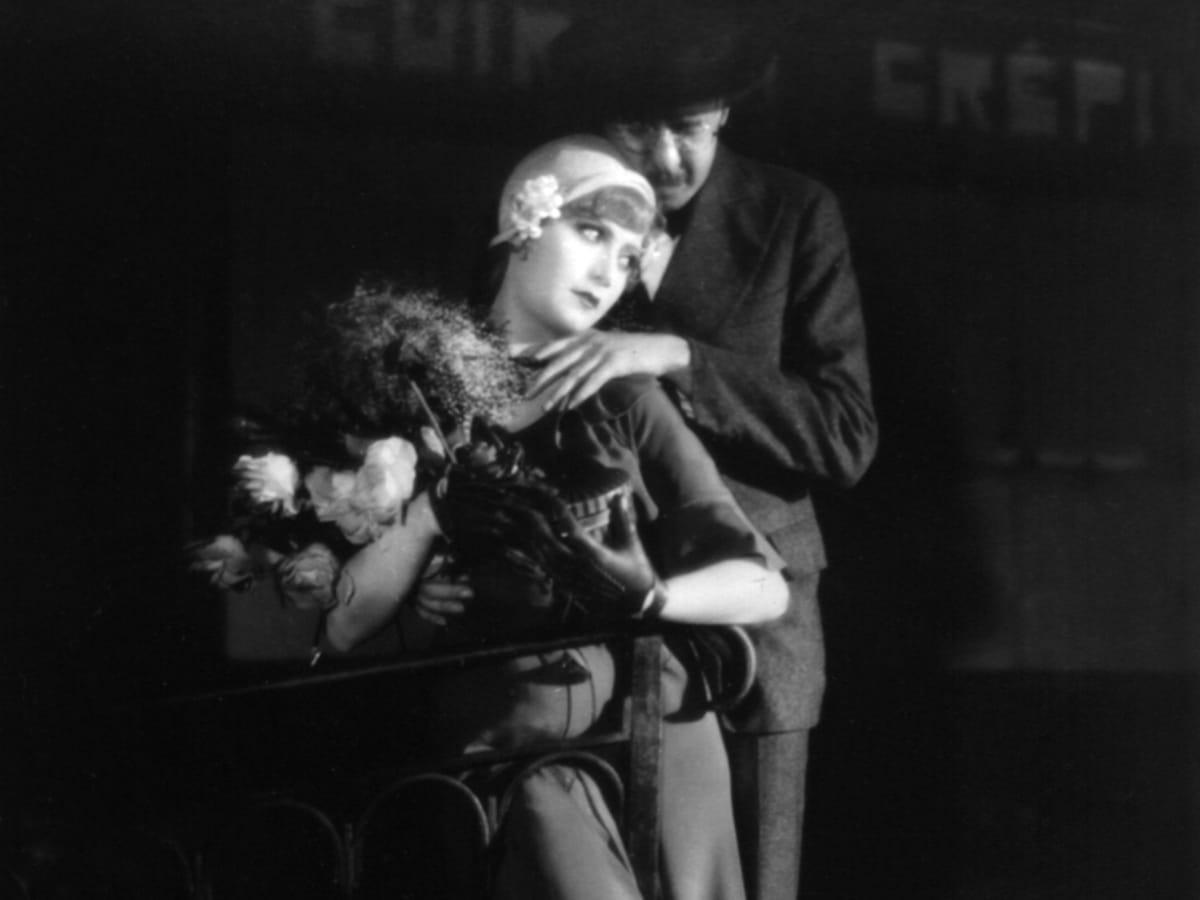
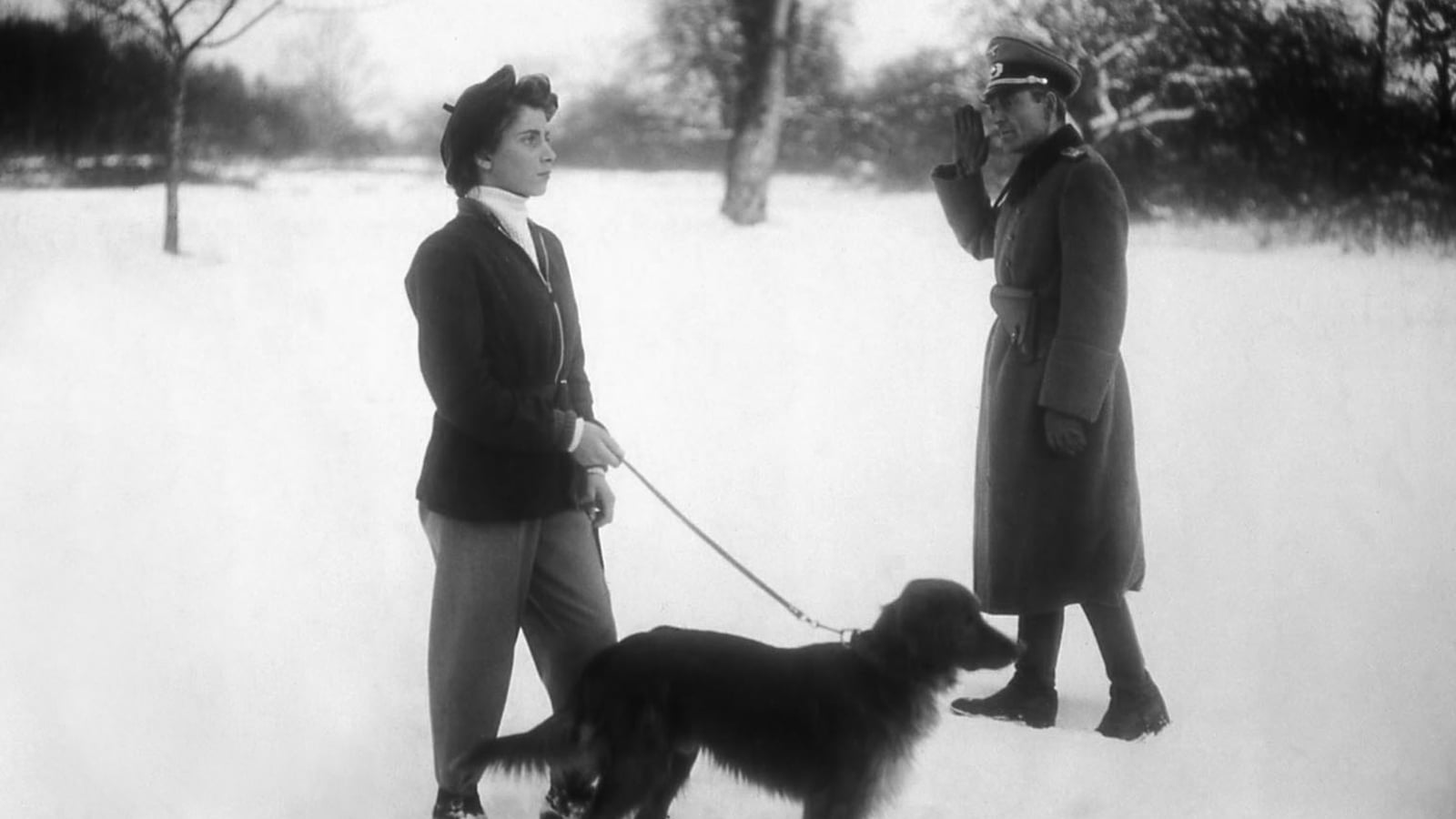
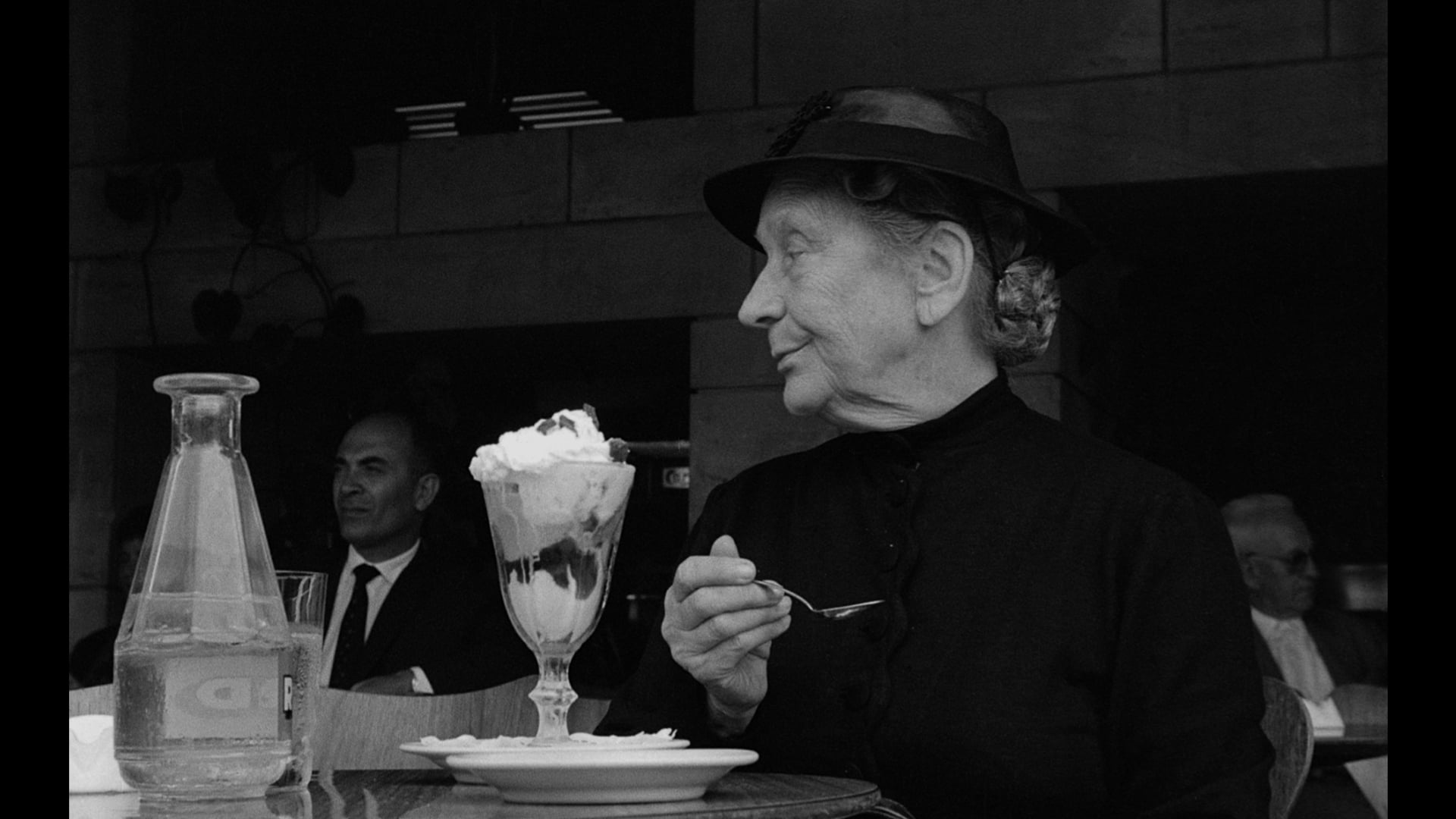
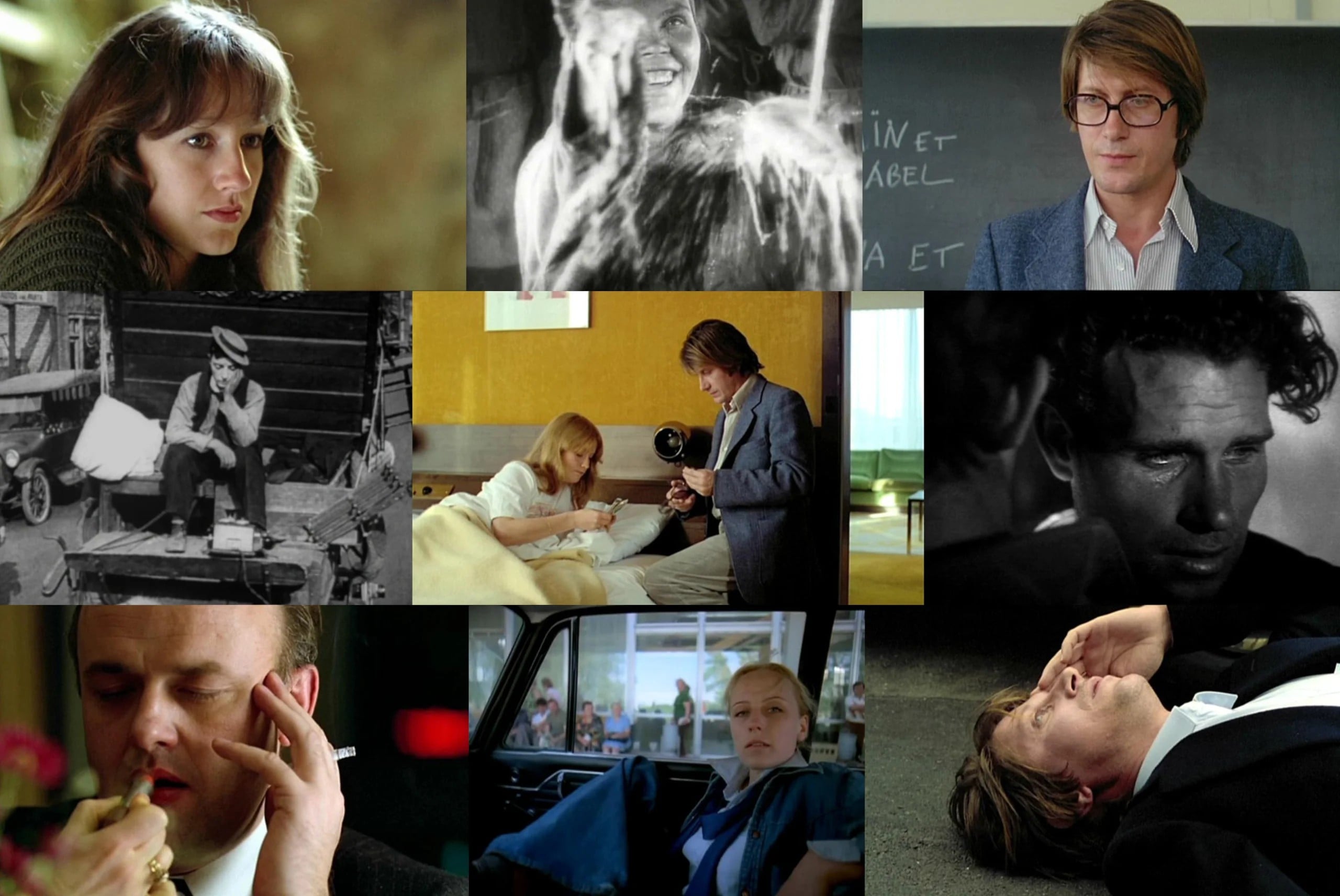
Test footage filmed on the set of Francis Ford Coppola’s One from the Heart (1981, 7 min, DCP)
Passion, le travail et l’amour: Introduction à un scénario (‘Passion, the work and the love: introduction to a script’), (1981, 39 min, DCP)
Scénario du film Passion (‘Script of the film Passion’), (1982, 53 min, DCP)
Scénario du film Passion (extraits) (‘Script of the film Passion’ (extracts)), 1982, 11 min, DCP)
Une bonne à tout faire (‘A maid-of-all-work’) (2006, 8 min, DCP)
From the late 1970s onwards Jean-Luc Godard began exploring alternatives to the conventional written screenplay in the form of paper-based collages and audiovisual ‘scripts’. The latter took the form of essayistic video notebooks designed, like preparatory studies or sketches for paintings, to chart the outline and contours of what the emerging film might look like through what he termed ‘the beginnings of images, embryos’.
His first planned audiovisual script was for a feature film he was developing for Francis Ford Coppola’s Zoetrope Studios on the life of the mafioso Bugsy Siegel, titled Bugsy or The Story. ‘Instead of writing a script’, as he put it in conversation with Peter Wollen and Donald Ranvaud in Jon Jost’s film Godard 1980, ‘we are shooting it. … Instead of working with just a piece of paper and a pencil, it’s working with a camera, you try to find… Like a painter working with color and pencils, you try to think in images and to use the words as segments of the images, or sometimes alone too, but not always at the beginning. … Like scientists, who don’t write the experiment before doing it. They do the experiment and then they write about it. Because you know what you have seen, whether it’s possible. You know if the actress is acting well or not because you’ve experimented. And it’s fun, more or less. It’s more fun.’
In the end, neither the audiovisual script for Bugsy/The Story nor the film itself was made. In addition, Godard abandoned plans to adapt Jack Kerouac’s On the Road for Zoetrope, a project for which he had also envisaged making a preparatory audiovisual script. In 1979, he completed his first video script, for Sauve qui peut (la vie) (Every Man For Himself). This was followed by similar exploratory video notebooks for Passion, Je vous salue, Marie, and, much later (2005–6), his abandoned Collage(s) de France exhibition at the Pompidou Centre.
This program brings together a cluster of interrelated works around a film that many consider to be among Godard’s finest artistic achievements: Passion. These include rare early test footage for the film involving a cinematic reconstruction of Georges de La Tour’s painting The Newborn Child (c.1648) that he directed in April 1981 on the set of Coppola’s One from the Heart. He used much of this material in his subsequent audiovisual script for Passion, titled Passion, le travail et l’amour: Introduction à un scénario (‘Passion, the work and the love: introduction to a script’). He also used it in another short video containing further preparatory footage for Passion titled Scénario du film Passion (extraits) (‘Script of the film Passion (extracts)’); in the self-reflective video essay he made afterwards, which he called, somewhat confusingly, Scénario du film Passion (‘Script of the film Passion’); and, much later, in Une bonne à tout faire (‘A maid-of-all-work’), which he included in the final version of his Pompidou Centre exhibition, Voyage(s) en utopie, JLG, 1946–2006, À la recherche d’un théorème perdu (‘Travel(s) in utopia, JLG, 1946–2006, in search of a lost theorem’).
Besides casting a light on Godard’s prolonged exploration of the possibilities of the audiovisual script, this constellation of material offers a unique insight into the genesis of Passion and the Godardian creative process generally. —Michael Witt, Series Curator