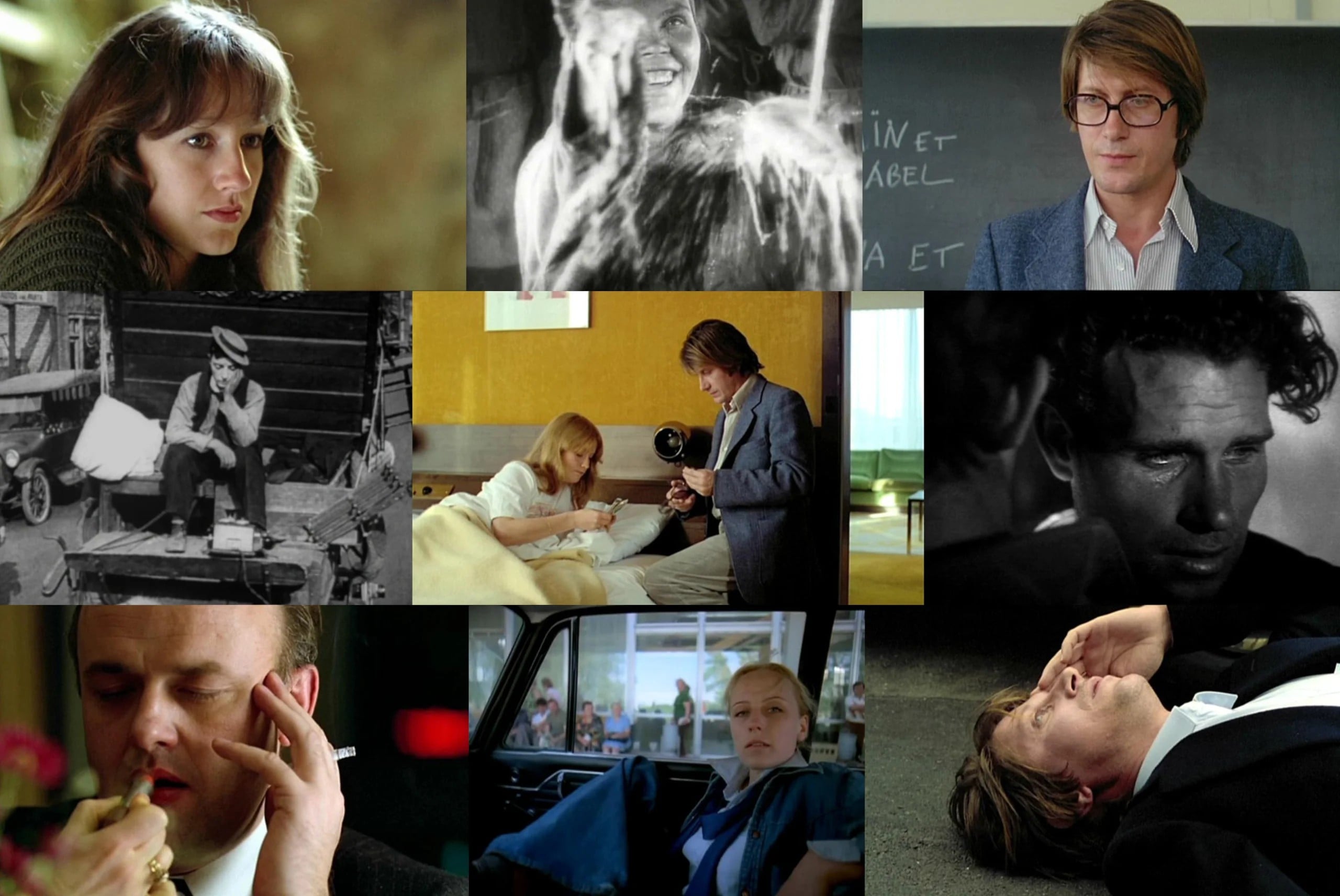
Une femme coquette
A Flirtatious Woman
Dir. Jean-Luc Godard, 1954, 10min, DCP
with
A Day in the Country
Partie de campagne
Dir. Jean Renoir, 1936, 41 min, DCP
with
The Crimson Curtain
Le Rideau cramoisi
Dir. Alexandre Astruc, 1953, 44 min, 35mm
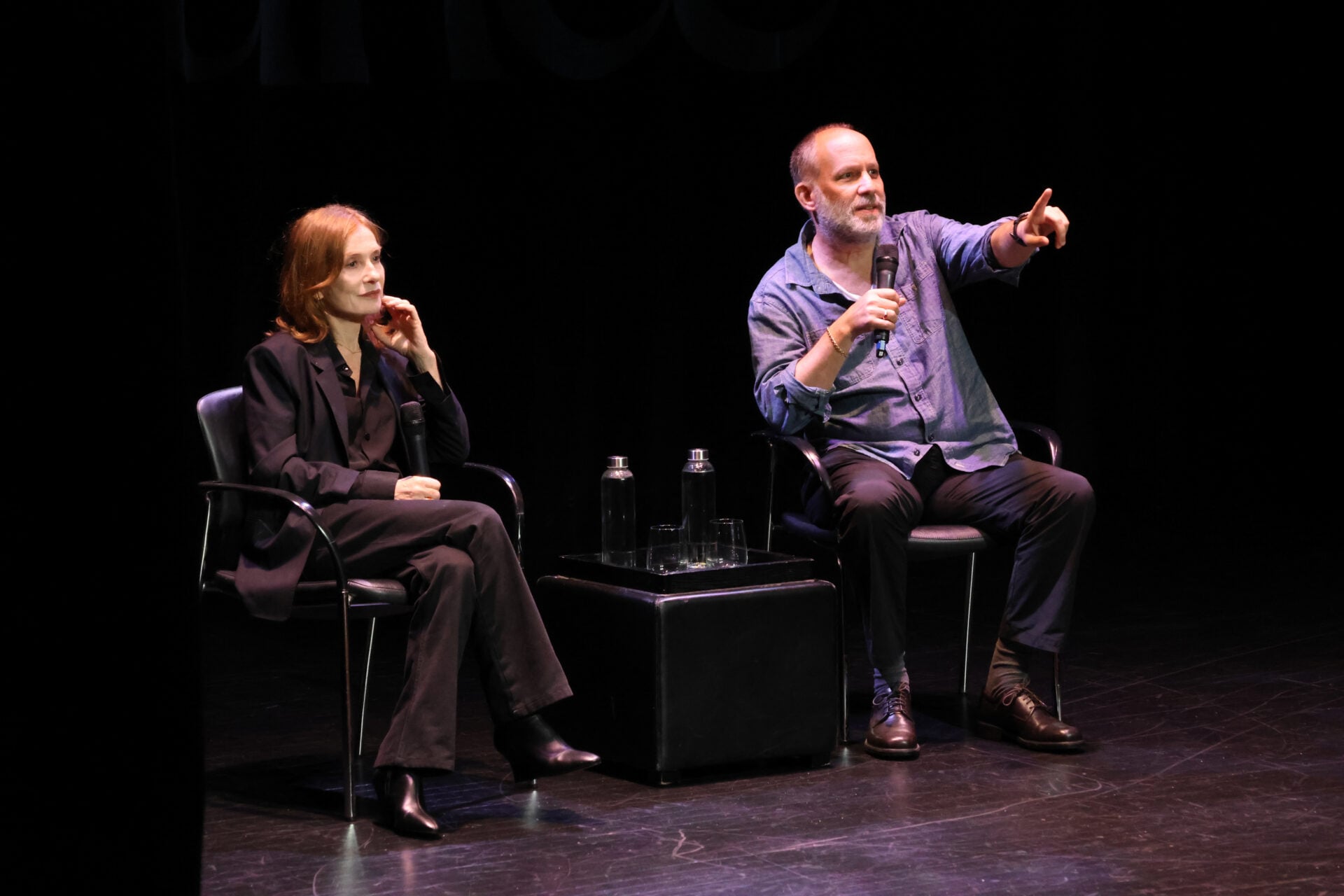
Happy Hour, 5:30–7pm
7pm screening introduced and followed by a conversation with Michael Witt, professor and author
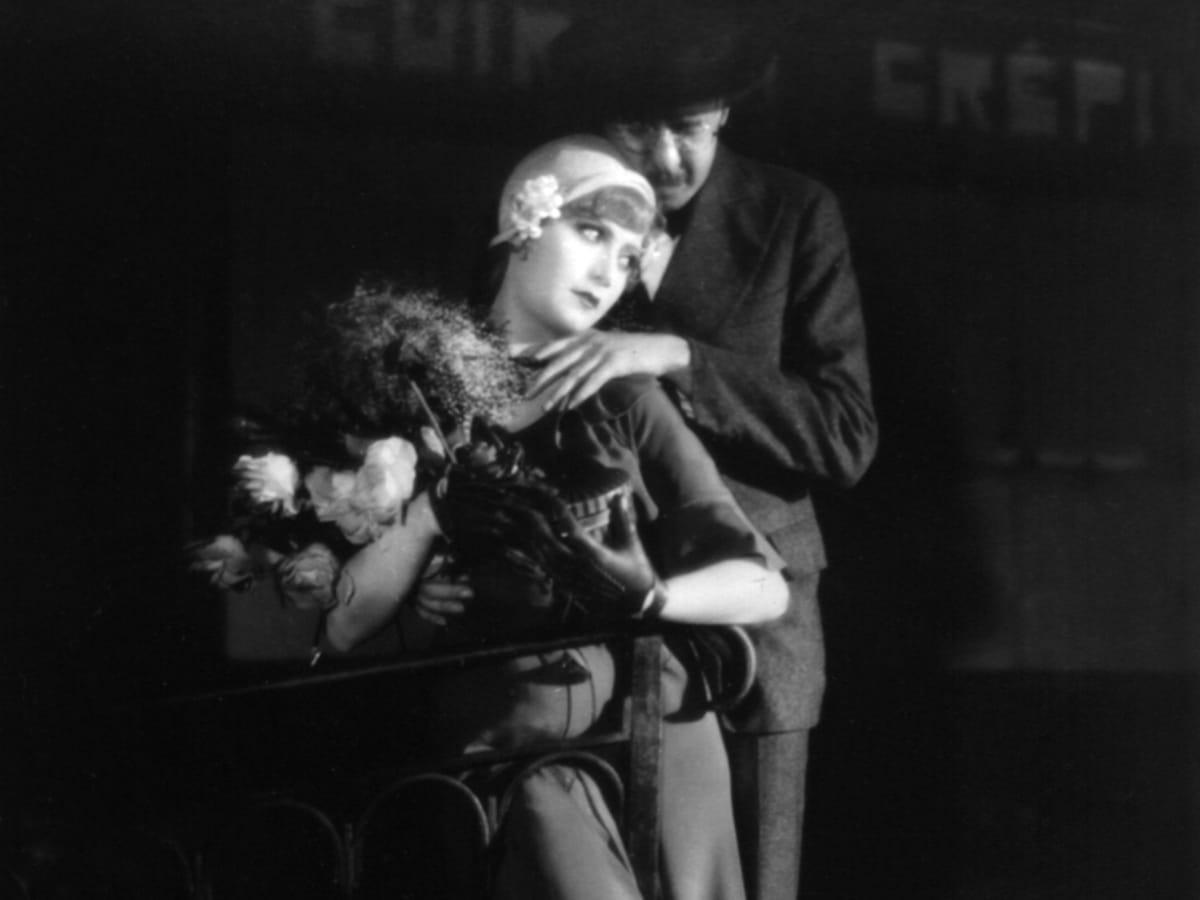
Godard’s ultra-rare earliest short 16mm fiction film Une femme coquette (d’après Maupassant) from 1956, based on Maupassant’s short story ‘Le Signe’ (‘The Signal’), was just the first of his Maupassant inspired projects, both made and unmade. Most notably, Masculin féminin (1966) evolved from ‘Le Signe’, but Godard had toyed already with the idea of remaking Une femme coquette with Anna Karina in 1963.
When Godard chose to adapt a Maupassant short story for his first foray into fiction, he was following in the footsteps of two filmmakers for whom he had boundless admiration: Max Ophuls, who a few years earlier had adapted three Maupassant stories as the basis for his Le Plaisir (1952); and Jean Renoir, who had drawn on Maupassant’s bittersweet tale of chance romantic encounters and lost possibilities, Une Partie de campagne (A Day in the Country), for his deeply sensuous eponymous film.
In the early 1960s, producers Anatole Dauman and Martin Low proposed that Godard adapt an erotic short story by Maupassant or the Marquis de Sade. Their aim was to release this in the US as part of a diptych with critic-turned-filmmaker Alexandre Astruc’s acclaimed Le Rideau cramoisi (The Crimson Curtain, 1953). Dauman acquired the rights to ‘Le Signe’ and considered releasing Godard’s new adaptation of it – to be titled Avec le sourire (With a Smile) – as half of a two-part feature with The Crimson Curtain.
On the day Godard was due to start shooting, he cried off and proceeded to develop Alphaville (1965) and Pierrot le fou (1965) instead. Nonetheless, he continued to reflect on the Maupassant project, telling Dauman that he now wanted to make a film with Jean-Pierre Léaud devoted to new adventures of the Antoine Doinel character (whom Léaud eventually portrayed five times for Truffaut) and got Dauman to secure the rights to a second Maupassant short story, ‘La Femme de Paul’ (‘Paul’s Mistress’).
With these two Maupassant stories in mind, Godard intended initially to pursue the diptych idea, but to make both parts himself. However, he soon combined them into a single feature, to be titled La Femme de Paul, avec le sourire (Paul’s Mistress, with a Smile). Godard developed the script significantly over the ensuing months before finally shooting the film, now titled Masculin féminin, in November–December 1965. While the end result looks on the surface to be a long way from Maupassant, it is in fact deeply indebted to ‘La Femme de Paul’ in its characters, themes and narrative. Meanwhile, Godard’s interest in ‘Le Signe’ culminated in his next (and last) collaboration with Dauman, 2 ou 3 choses que je sais d’elle (Two or Three Things I Know About Her, 1966). —Michael Witt, Series Curator