Dir. Jean-Luc Godard, Michael Witt (1981/2013, DCP)
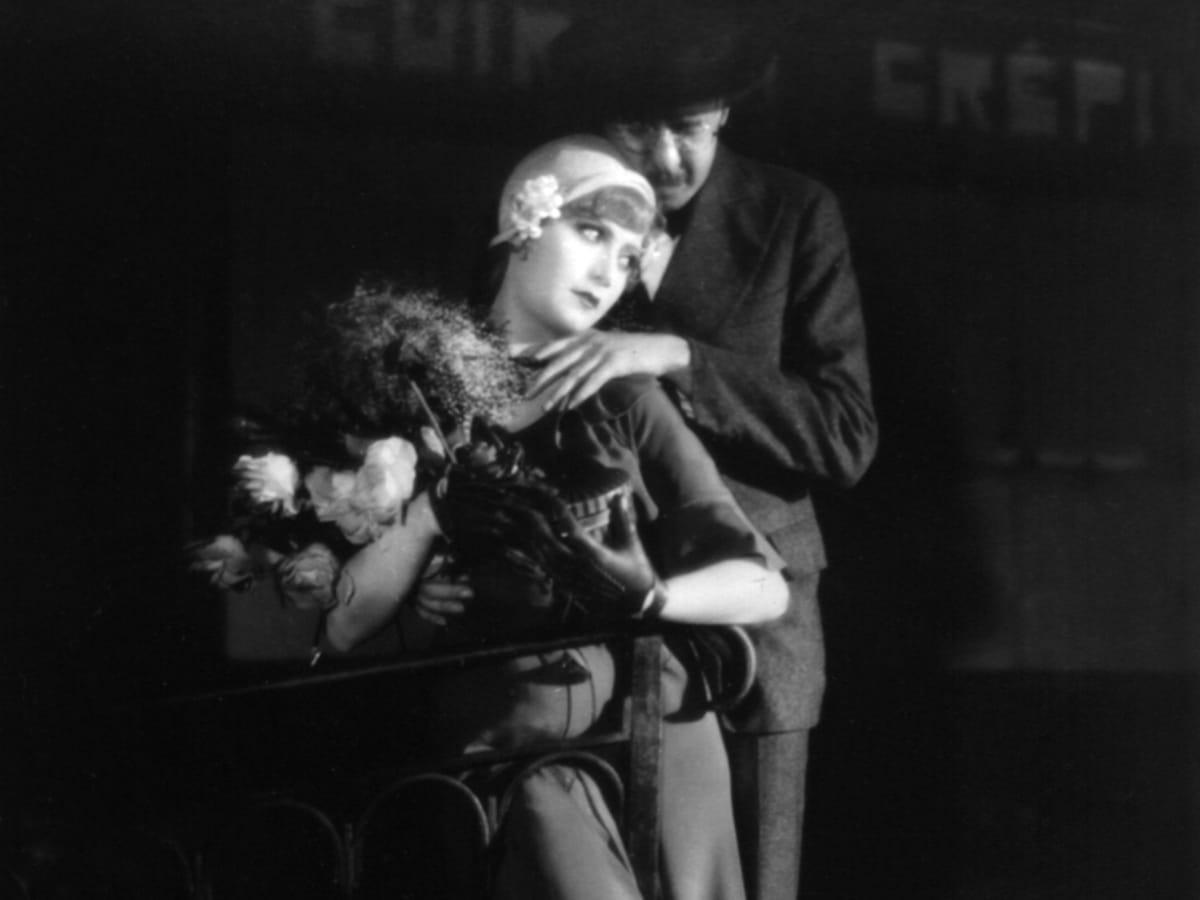
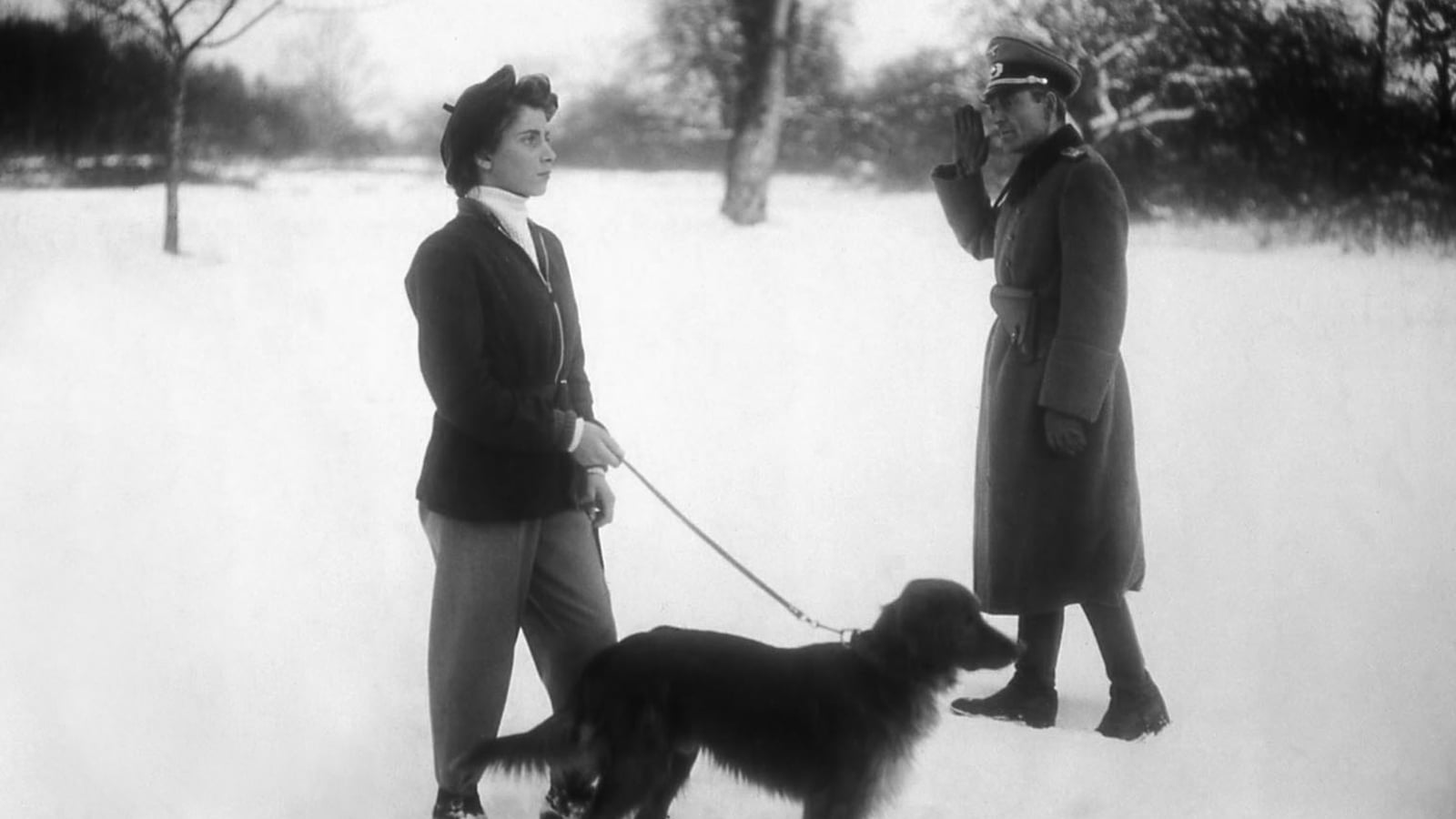
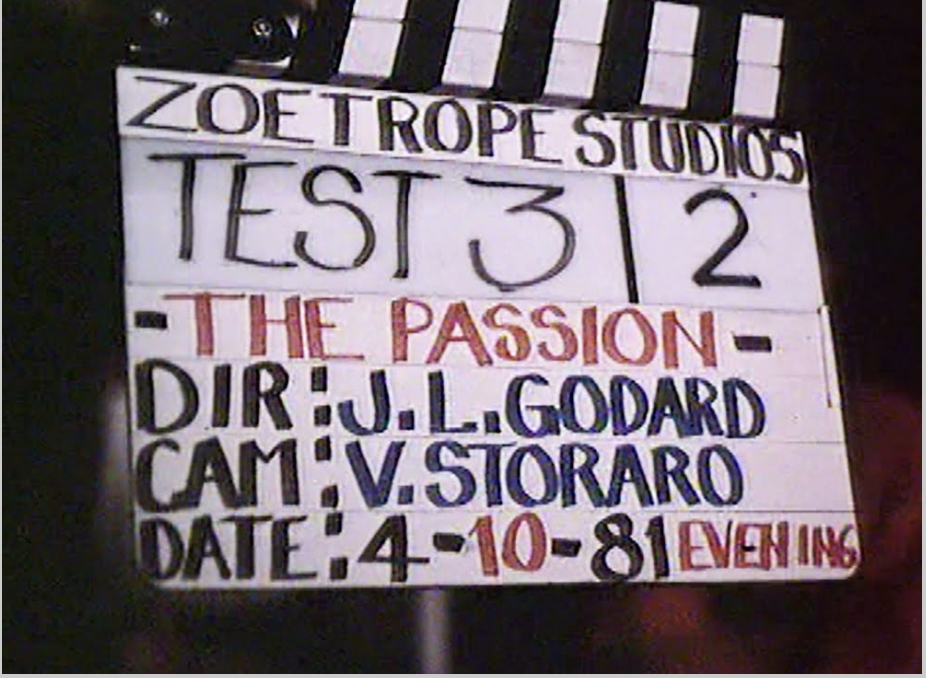
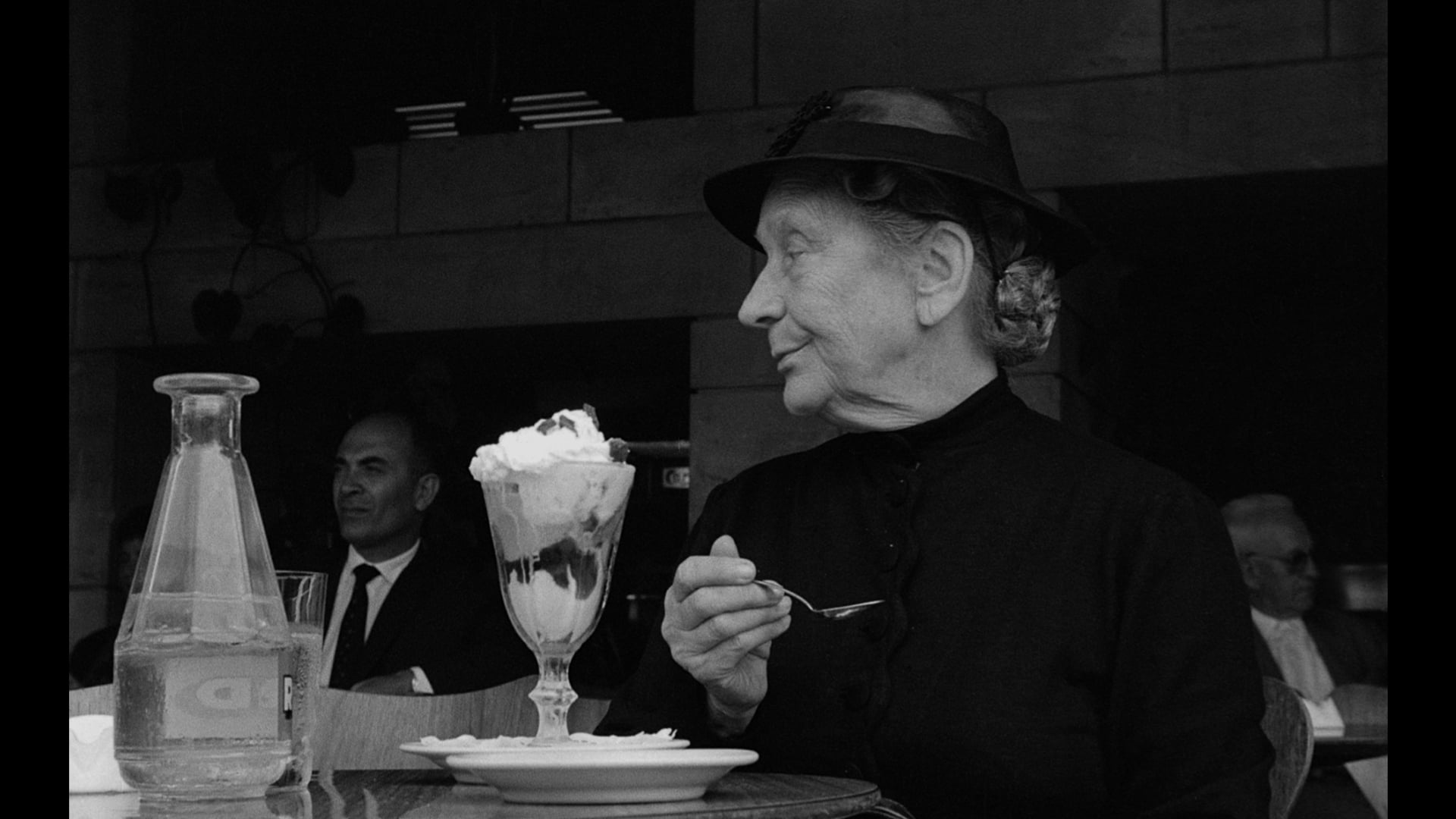
A digital reconstruction by Michael Witt of a remarkable montage film created by Godard at the 1981 Rotterdam Film Festival from his film Sauve qui peut (la vie) and reels from four other films: Old and New (aka The General Line) by Sergei M. Eisenstein and Grigori Alexandrov (1929), Cops by Edward F. Cline and Buster Keaton (1922), La Terra Trema by Luchino Visconti (1948), and Man of Marble by Andrzej Wajda (1977). This film, which Godard titled Sauve la vie (qui peut), was screened just once and seen by only a handful of people. It was subsequently virtually forgotten, doubtless largely because it was disassembled afterwards (or rather: the various reels were returned to the films from which they had come).
Sauve qui peut (la vie) is divided into six parts, with each of the three main parts that follow the prelude being associated with a named theme – ‘The Imaginary’, ‘Fear’, and ‘Business’ – and with one of the film’s three main characters: Denise (Nathalie Baye), Paul (Jacques Dutronc), and Isabelle (Isabelle Huppert). It is dominated in terms of screen time by ‘Business’ and the various strands of the narrative come together in the finale, ‘Music’. To create Sauve la vie (qui peut), Godard set aside the prelude but used the majority of ‘The Imaginary’, ‘Fear’, and ‘Music’ together with the opening and closing sections of ‘Business’. He then interspersed selected sequences from the other four films into these extracts to produce a remarkable reflection on topics such as love, work, money, exploitation, performance and filmmaking.
Sauve la vie (qui peut) constituted an extension of Godard’s wide-ranging experimentation with the juxtaposition of film reels during his exploratory lectures on cinema history in Montreal and Rotterdam in 1978 and 1980-1981. It was undoubtedly one of his most daring and inventive montage experiments in this period and provides a prime example of his investigation of the possibilities of montage as a generative tool for thinking and provoking thought. Moreover, at exactly the same time (February 1981), Godard employed the tools of broadcast television to create another completely different variation on Sauve qui peut (la vie), which was broadcast on Swiss TV under the title Voyage à travers un film (Sauve qui peut (la vie)) (‘Voyage through a film (Sauve qui peut (la vie))’). Both experiments anticipated his later videographic film history practice, which would culminate in Histoire(s) du cinéma. —Michael Witt, Series Curator