The Magician of Ostend: The films of Raoul Servais
Schedule
Saturday, February 7, 2026
Run Time: 83 min
Followed by a Q&A with Vito Adriaensens, filmmaker and scholar, and Emily Ann Hoffman, filmmaker.
Special thanks to the Belgium Cinematek and the Raoul Servais Foundation for the loan of the films.
Chromophobia
Raoul Servais, 1965, Belgium, 10min
No dialogue
Gray legions overwhelm the world of color to establish their colorless dominance. The resistance emerges in the form of a scarlet jester, Thyl Ulenspiegel.
Sirène
Raoul Servais, 1968, Belgium, 9min30
No dialogue
Monstrous cranes and prehistoric flying reptiles dominate an inhospitable seaport. The only human being they tolerate is a lonely angler. He witnesses a strange encounter between a cabin boy and a mermaid.
Goldframe
Raoul Servais, 1969, Belgium, 5min
In English
Jason Goldframe, film producer, is the best in the world and always comes in first! Above all, he wants to be the first to produce a feature that has never been realized before: a 270mm film.
In Competition – 1969 Cannes International Film Festival
To Speak or Not to Speak
Raoul Servais, 1970, Belgium, 11min
In English
When a man in the street is asked to give his opinion about the political climate, vagueness and incoherence take over.
Special Mention – 1971 Annecy International Animation Film Festival
Operation X-70
Raoul Servais, 1971, Belgium, 9min30
In English
A mighty state is experimenting with a new kind of chemical gas that does not kill, but stuns its victims and puts them in a trance-like state.
Special Jury Prize – 1972 Cannes International Film Festival
Halewyn’s Song
Raoul Servais, 1976, Belgium, 12min
In Dutch with English subtitles
Based on a medieval chant, Lord Halewyn’s magical song lures girls from meadows and fields to his gloomy forest never to return.
Harpya
Raoul Servais, 1979, Belgium, 9min
No dialogue
During an evening walk, Mr. Oscar witnesses an assault. To his great surprise, he finds that the victim is a real-life harpy. He is interested, but wary of danger …
Winner Palme d’Or for Best Short Film – 1979 Cannes International Film Festival
Nocturnal Butterflies
Raoul Servais, 1998, Belgium, 8min
No dialogue
A moth leads us to the waiting room of a nocturnal station where a surreal sketch takes place. Inspired by the work of Paul Delvaux.
Winner Grand Prize – 1998 Annecy International Animation Film Festival
Atraksion
Raoul Servais, 2001, Belgium, 10min
Without dialogue
Dragging chains, thugs stroll aimlessly through a desolate landscape. One of them dares to look at a blinding light. Is this Liberation? One man decides to take a chance.
Venue
Event Pricing
Children under seventeen (17) years of age must be accompanied by a parent or legal guardian at all times and may not attend events unattended.
Vito Adriaensens
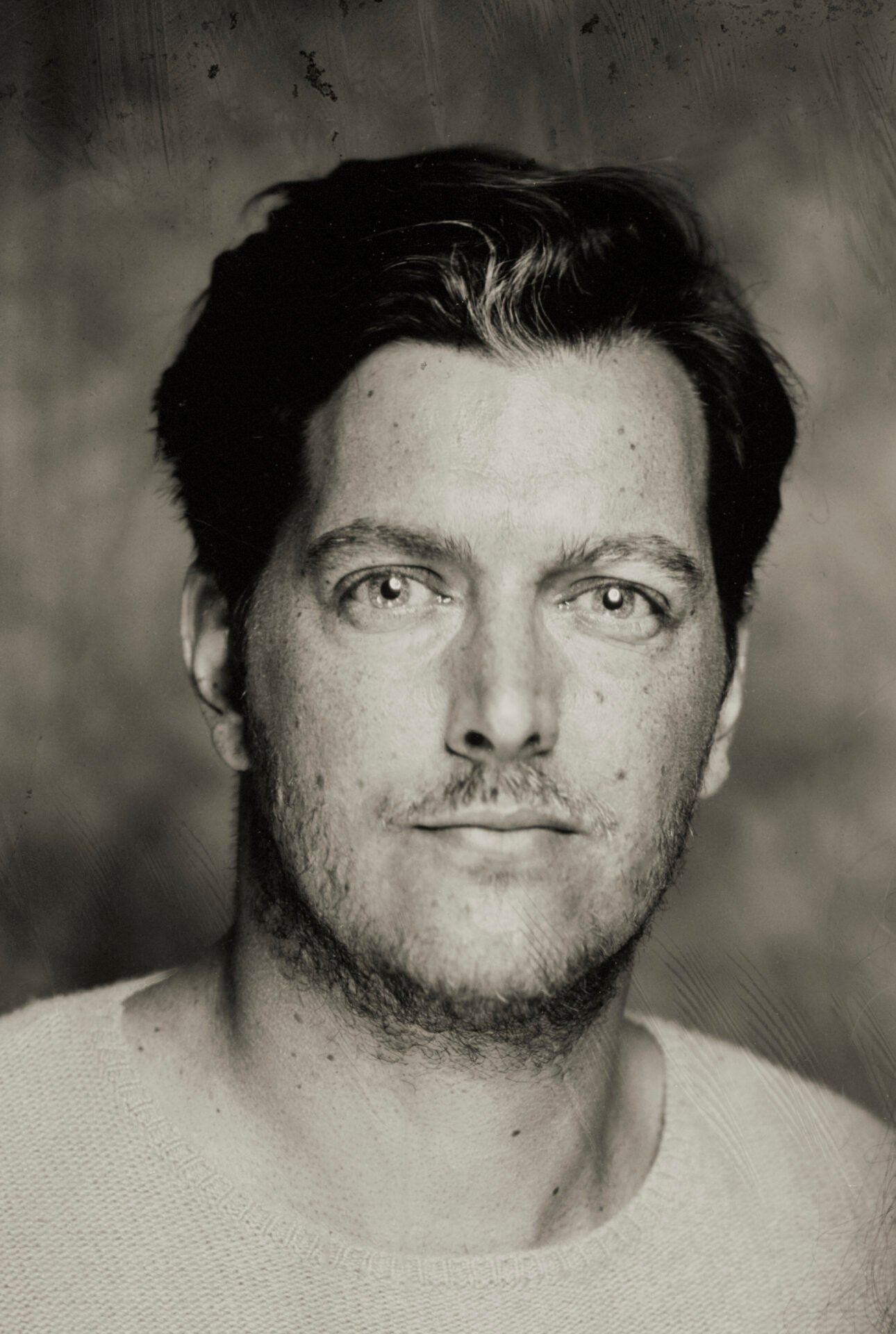
Vito Adriaensens is a Belgian filmmaker, scholar, and professor at New York University’s Tisch School of the Arts. He is a co-author of Screening Statues: Sculpture and Cinema, and the author of Velvet Curtains and Gilded Frames: The Art of Early European Cinema. Vito works mainly on celluloid, and his experimental films have screened internationally. His first feature is the Metamorphoses-inspired, 35mm anthology film Ovid, New York.
Emily Ann Hoffman
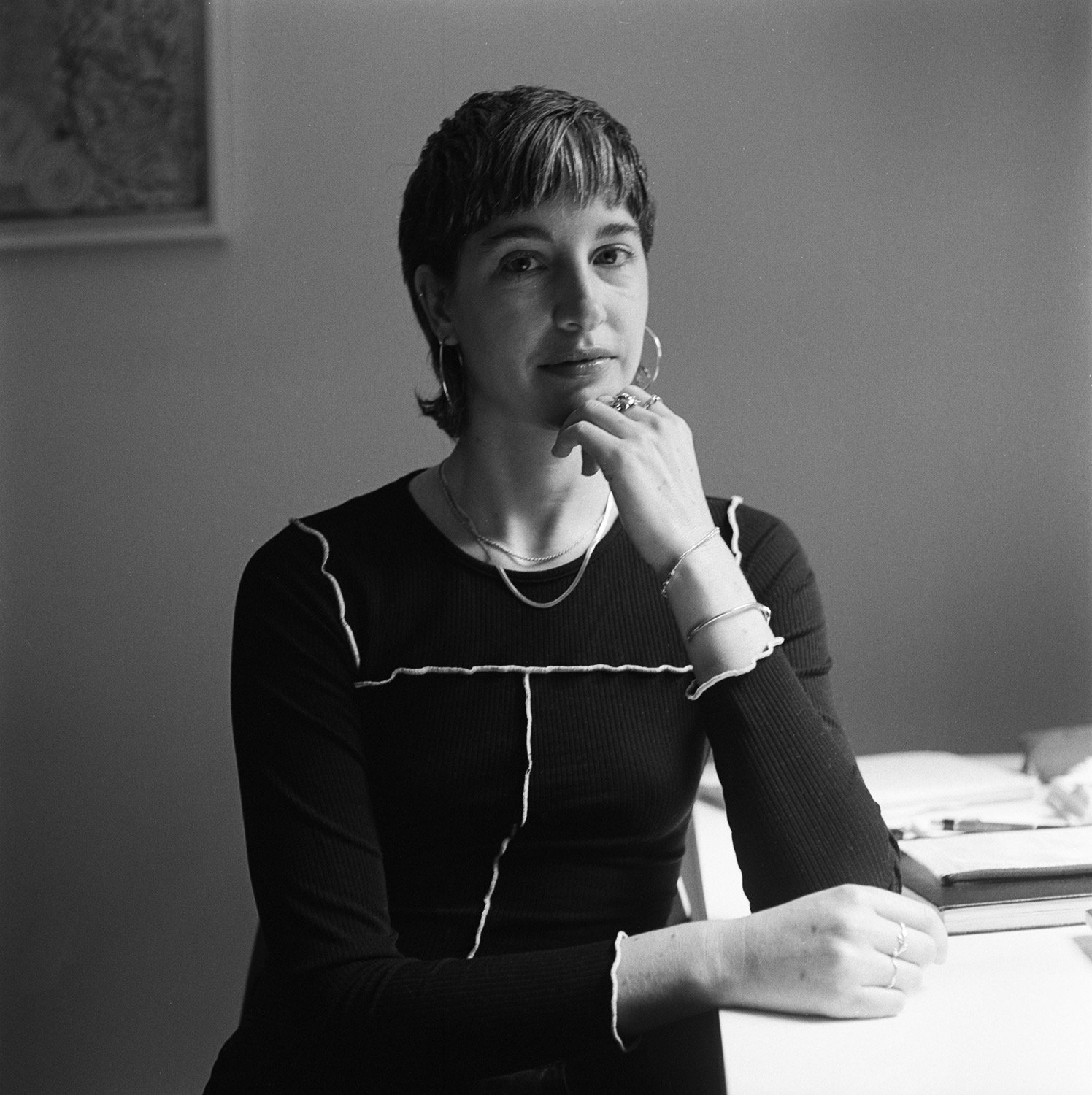
Emily Ann Hoffman Is an award-winning filmmaker and animator whose work explores sexuality, gender and intimacy through poignant comedy. Her films have screened at festivals such as Sundance, SXSW and Slamdance, and she has participated in labs, fellowships and markets with Warner Bros, Sundance Institute, Film at Lincoln Center, Gotham, and more. When she isn’t creating her own work, she’s supporting the next generation of auteurs as an Assistant Professor of Animation at NYU’s Tisch School of the Arts. As an animation director, her work has been featured on Netflix, HBO, and Hulu to name a few, and her work as a multidisciplinary fine artist and painter has been featured in international exhibits and publications like Architectural Digest and It’s Nice That. She holds a BFA from Rhode Island School of Design and previously taught at Parsons, The New School and School of Visual Arts.
Raoul Servais
Raoul Servais was born in 1928 in Ostend, hence his nickname “The Wizard of Ostend.” After World War II, Raoul Servais studied decorative arts at the Royal Academy of Fine Arts in Ghent. Together with some fellow students, he founded his own amateur animation studio. Lacking information and tools of the trade, they had to learn the craft entirely on their own. His debut, Spokenhistorie was filmed with a camera made out of a cigar box. When he finally purchased a “professional” camera in the 1950s, it was a model made in 1928, his birth year! Hungry for more reliable information and equipment, Servais went so far as to disguise himself as a journalist to visit Paul Grimault’s Gémeaux Studios in Paris.
After briefly turning to comic books (Pol en Piet), Servais went back to animation and created the first course in animation at his alma mater. He went on to have a prolific and trailblazing career as a filmmaker, starting with Harbor Lights in 1960. Chromophobia (1966), winner of the Primo Premio at the International Film Festival of Venice, was his international breakthrough. The work took a strong stance against war and tyranny, a theme that would run through his next films as well, such as Sirene (1968), To Speak or Not to Speak (1970), and Operation X-70 (1971). In 1970, he co-founded the animation studio PEN-film in Ghent in 1970 and went on to make another set of remarkable films, including Harpya (1979), a haunting film inspired by Belgian surrealist Paul Delvaux and winner of a Palme d’Or for best Short Film at the Cannes Film Festival.
In 1973, Servais became a member of the Royal Academy of Science and Arts. Between 1985 and 1994, he was head of the International Association of Film Animators and co-founder of Het Vlaams Audiovisueel Fonds. In 2016, he received a Lifetime Achievement Award at the Animation Film Festival of Zagreb.
Courtesy of lambiek.net
Raoul Servais © Fondation Raoul Servais
Vito Adriaensens © Jolene Lupo
Emily Ann Hoffman © Paula Lycan
{acf_additional_info_event_event_expanded_info_heading}
{acf_additional_info_event_event_expanded_intro}