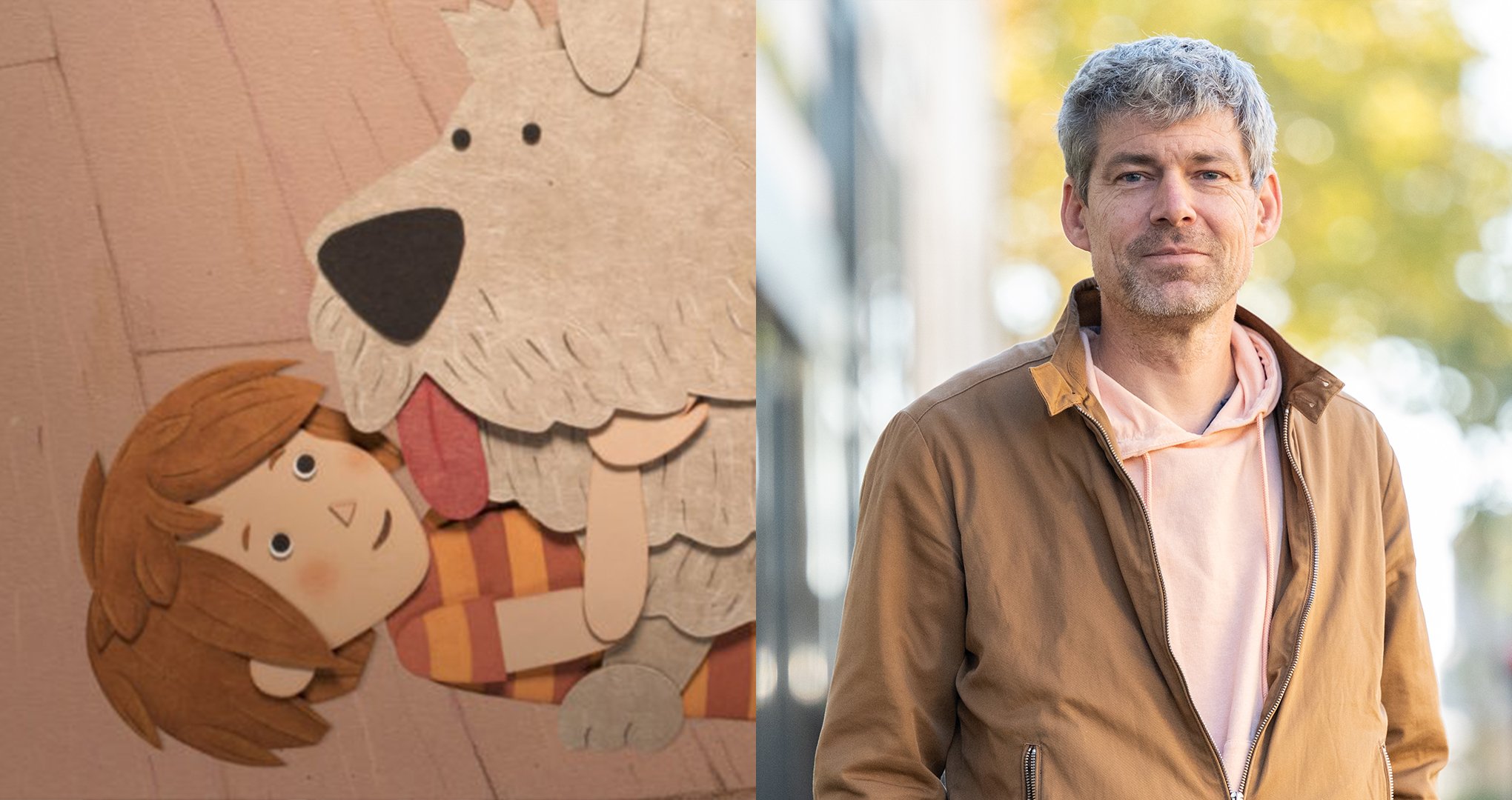
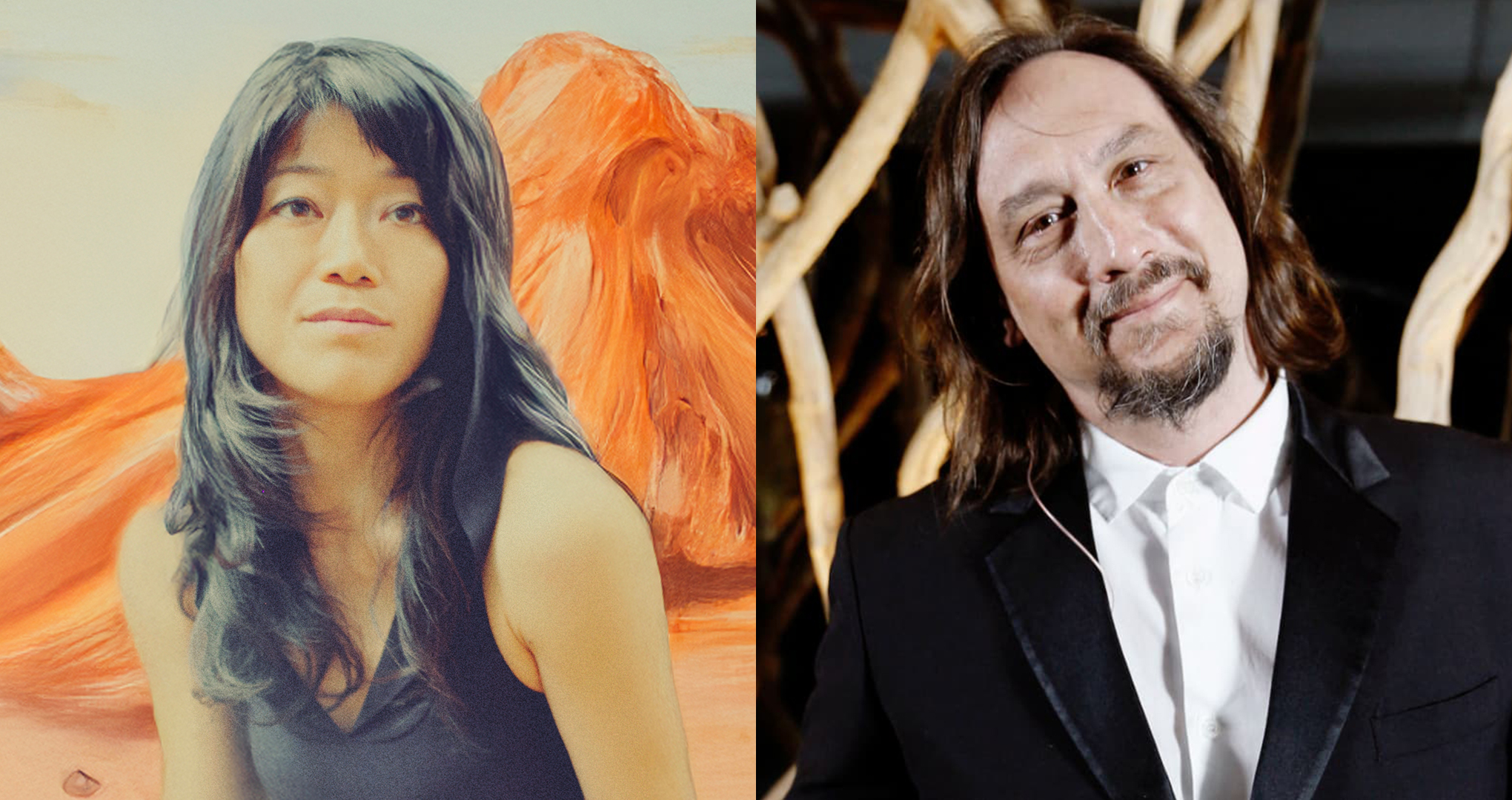
Followed by a Q&A Vito Adriaensens, filmmaker and scholar, and Emily Ann Hoffman, filmmaker.
Raoul Servais (1928-2023), one of Belgium’s most celebrated animation artists, experimented with graphic style and animation techniques throughout his career. He left behind a body of work of great artistry and contributed to film making with the invention of Servaisgraphy, a pre-CGI process to blend live-action and animated shots. He used this technique in his award-winning Harpya (1979). With a mix of biting dark humor and lyricism, Servais was also deeply committed to exposing tyranny and war in his films such as Chromophobia (1966), Sirene (1968), and Operation X-70 (1971).
This program surveys most of Servais’ short films, all restored by the Belgium Cinematek.
Special thanks to the Belgium Cinematek and the Raoul Servais Foundation for the loan of the films.
Chromophobia
Raoul Servais, 1965, Belgium, 10min
No dialogue
Gray legions overwhelm the world of color to establish their colorless dominance. The resistance emerges in the form of a scarlet jester, Thyl Ulenspiegel.
Sirène
Raoul Servais, 1968, Belgium, 9min30
No dialogue
Monstrous cranes and prehistoric flying reptiles dominate an inhospitable seaport. The only human being they tolerate is a lonely angler. He witnesses a strange encounter between a cabin boy and a mermaid.
Goldframe
Raoul Servais, 1969, Belgium, 5min
In English
Jason Goldframe, film producer, is the best in the world and always comes in first! Above all, he wants to be the first to produce a feature that has never been realized before: a 270mm film.
In Competition – 1969 Cannes International Film Festival
To Speak or Not to Speak
Raoul Servais, 1970, Belgium, 11min
In English
When a man in the street is asked to give his opinion about the political climate, vagueness and incoherence take over.
Special Mention – 1971 Annecy International Animation Film Festival
Operation X-70
Raoul Servais, 1971, Belgium, 9min30
In English
A mighty state is experimenting with a new kind of chemical gas that does not kill, but stuns its victims and puts them in a trance-like state.
Special Jury Prize – 1972 Cannes International Film Festival
Halewyn’s Song
Raoul Servais, 1976, Belgium, 12min
In Dutch with English subtitles
Based on a medieval chant, Lord Halewyn’s magical song lures girls from meadows and fields to his gloomy forest never to return.
Harpya
Raoul Servais, 1979, Belgium, 9min
No dialogue
During an evening walk, Mr. Oscar witnesses an assault. To his great surprise, he finds that the victim is a real-life harpy. He is interested, but wary of danger …
Winner Palme d’Or for Best Short Film – 1979 Cannes International Film Festival
Nocturnal Butterflies
Raoul Servais, 1998, Belgium, 8min
No dialogue
A moth leads us to the waiting room of a nocturnal station where a surreal sketch takes place. Inspired by the work of Paul Delvaux.
Winner Grand Prize – 1998 Annecy International Animation Film Festival
Atraksion
Raoul Servais, 2001, Belgium, 10min
Without dialogue
Dragging chains, thugs stroll aimlessly through a desolate landscape. One of them dares to look at a blinding light. Is this Liberation? One man decides to take a chance.