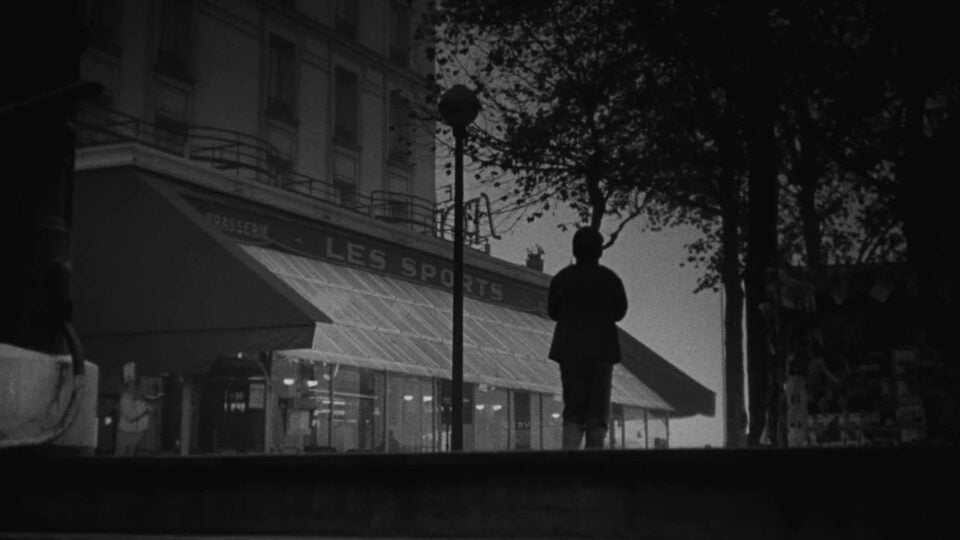
The anarchic visionary Georges Franju began his life in cinema working with Henri Langlois in their endeavors as filmmakers (Le métro, 1934), magazine publishers, and co-founders of the Cinémathèque Française. After this debut, it would be over a decade before Franju made a second film: the explosive, still-shocking, landmark documentary, The Blood of the Beasts (Le sang des bêtes, 1948). For the next decade, Franju worked exclusively in documentary, learning his practice working with Jean Painlevé, and making a series of shorts that unflinchingly probed deep into the machinations of factories and hospitals, the horror of war, Parisian street life and portraits of famous compatriots.
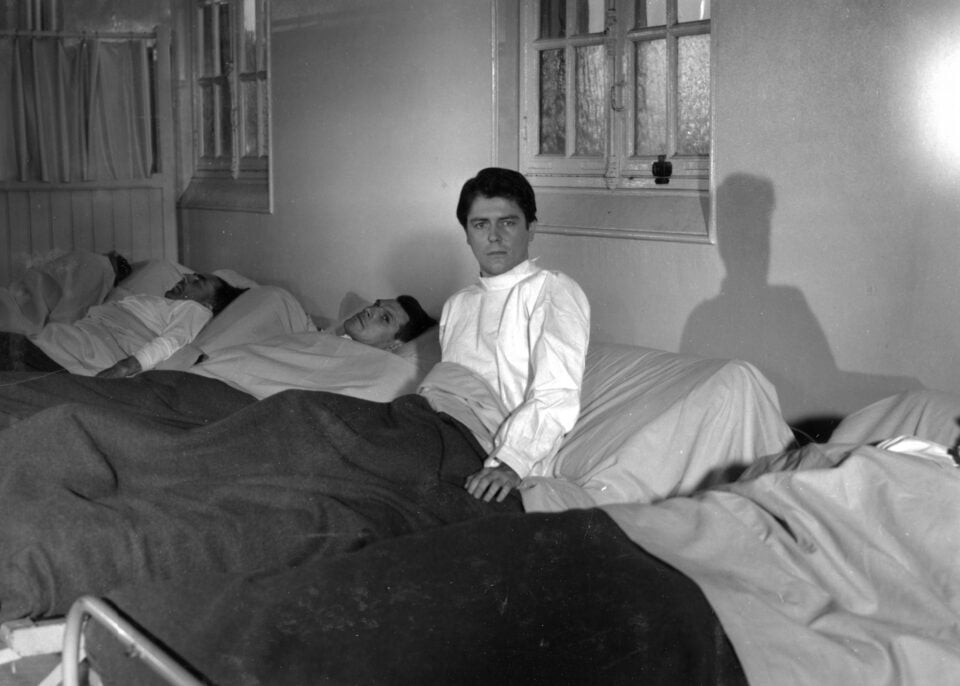
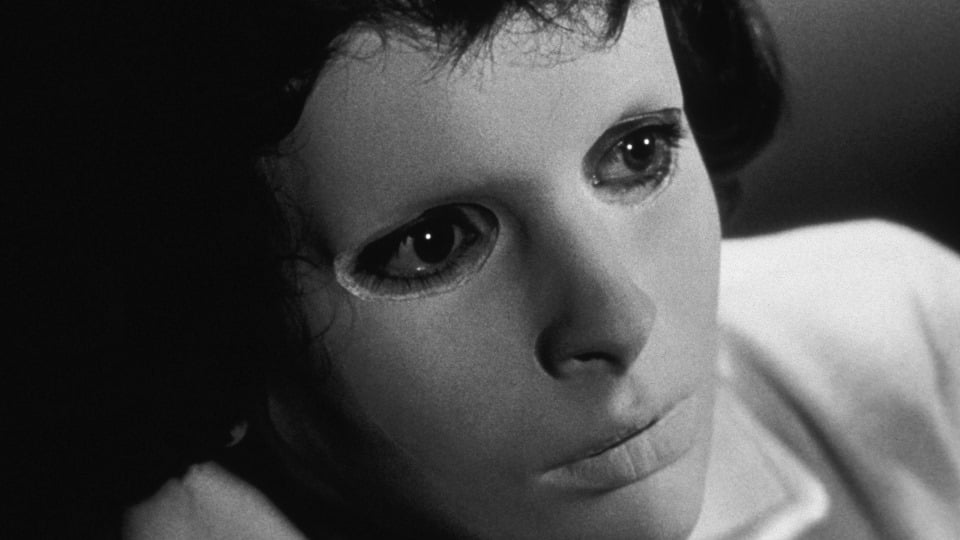
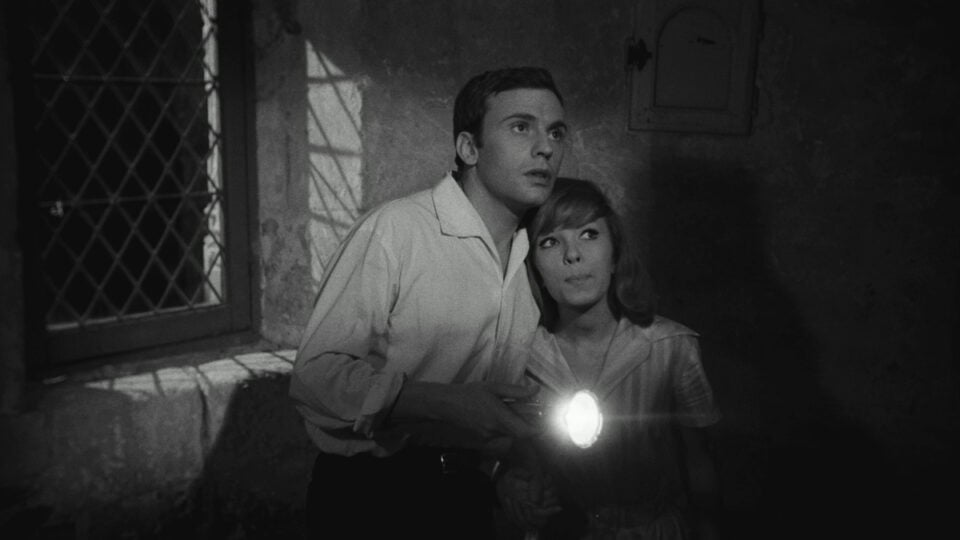
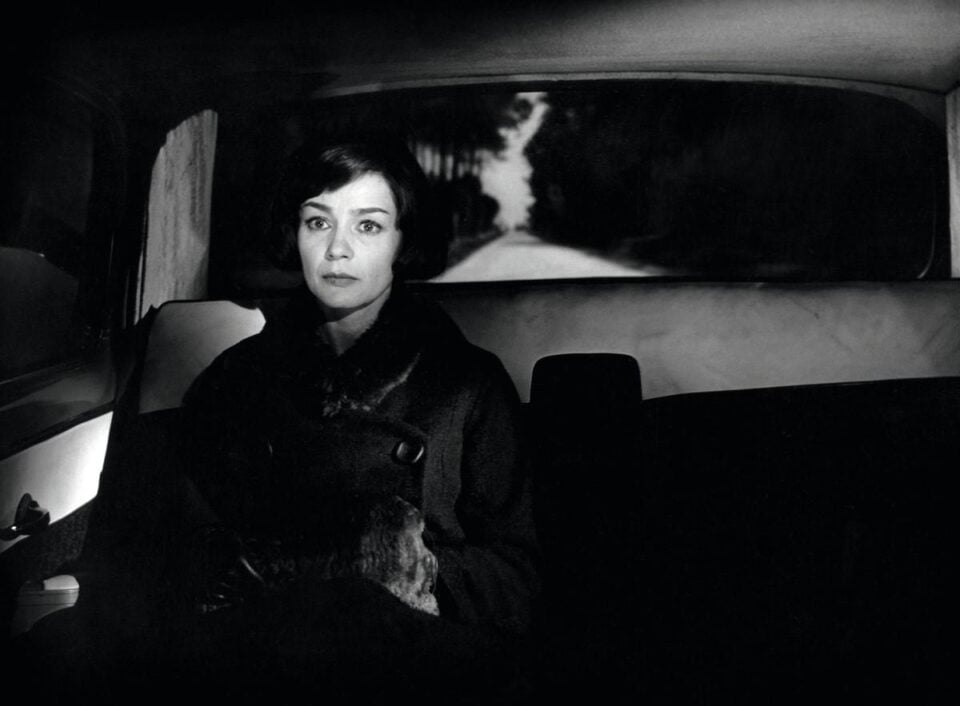
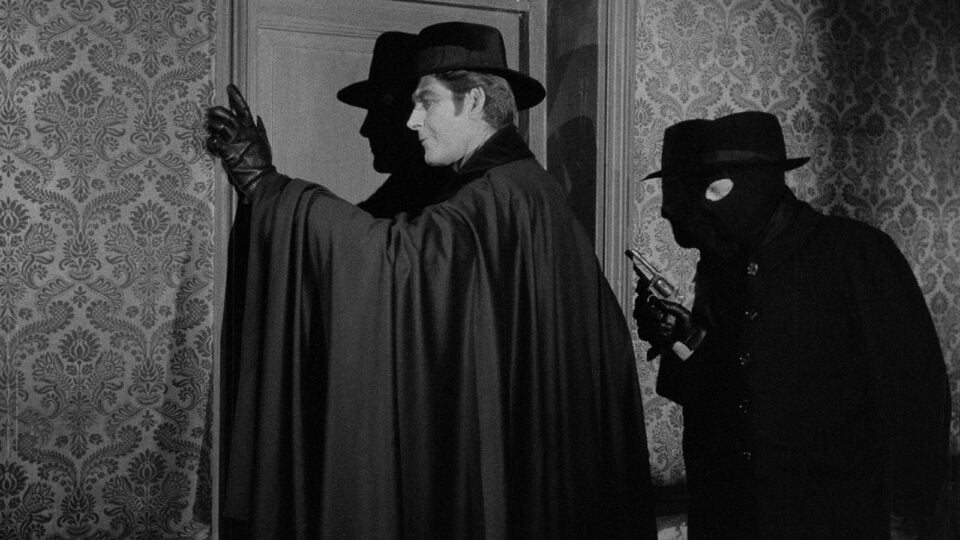
Though Franju’s first feature in 1958 was made contemporaneously with the Nouvelle Vague’s debut films, his style and focus existed in a realm unto himself, making films that capture dark beauty and the fantastical, with a stock company including Edith Scob, Emmanuelle Riva and Claude Brasseur. Invigorated by French surrealism and German Expressionism, while remaining a true original, Franju said “What pleases is what is terrible, gentle, and poetic,” and his films, visceral, lyrical, and literary, perfectly reflect this sentiment.